Burnout is no longer a rare or workplace-only issue it’s become a cultural epidemic. Defined by the World Health Organization as “a syndrome resulting from chronic workplace stress that has not been successfully managed,” burnout has reached new heights in the age of digital overload, remote work, and never-ending responsibilities.
You may be experiencing burnout if you feel:
• Mentally foggy
• Emotionally detached
• Constantly exhausted even after sleep
• Overwhelmed by small tasks
• Stuck in survival mode
Your Environment Shapes Your Emotional Health
Your brain responds to your surroundings even when you don’t consciously notice it. Harsh lighting, cluttered spaces, and overstimulating colors keep your nervous system on high alert. Over time, this leads to:
• Elevated cortisol levels
• Poor quality sleep
• Chronic tension and irritability
• Heightened anxiety or depression symptoms
But here’s the good news: you can reverse this. By designing your home intentionally, you can signal to your body that it’s safe to slow down.
What is a Healing Home?
A healing home is more than just a clean or organized space—it’s an environment that actively supports your physical, emotional, and mental recovery. It fosters:
• Emotional grounding
• Sensory comfort
• Predictability and peace
• Personal expression
• Restful routines
Think of your home as a nervous system reset. Everything from the textures under your feet to the scents in the air can either amplify your stress or soothe it.
Step 1: Clear the Clutter, Clear Your Mind
Visual clutter equals mental noise. When your surfaces are crowded, your brain has to work harder to process its surroundings. That “background tension” accumulates over time and worsens burnout symptoms.
How to Start Decluttering for Emotional Relief:
• Begin with one space (a drawer, nightstand, or countertop)
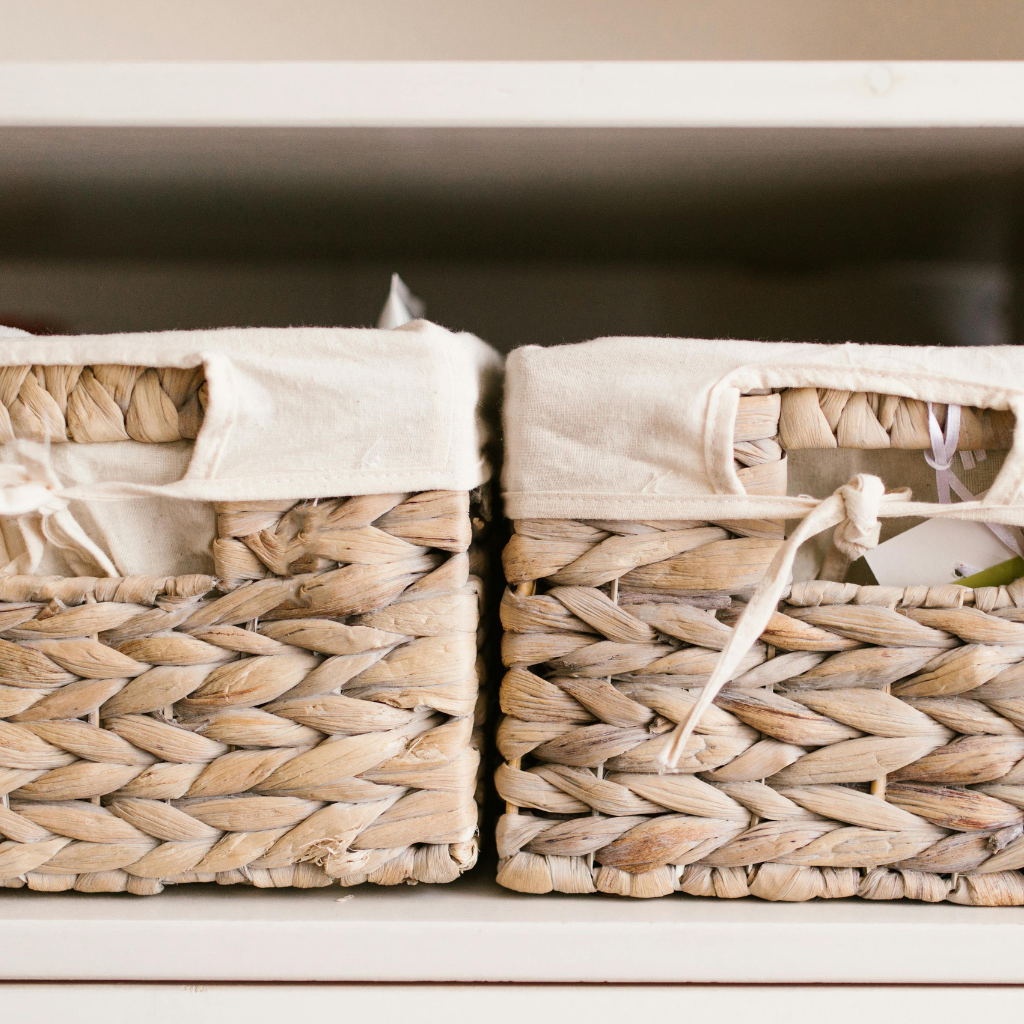
• Use storage bins or lidded baskets to keep things visually calm
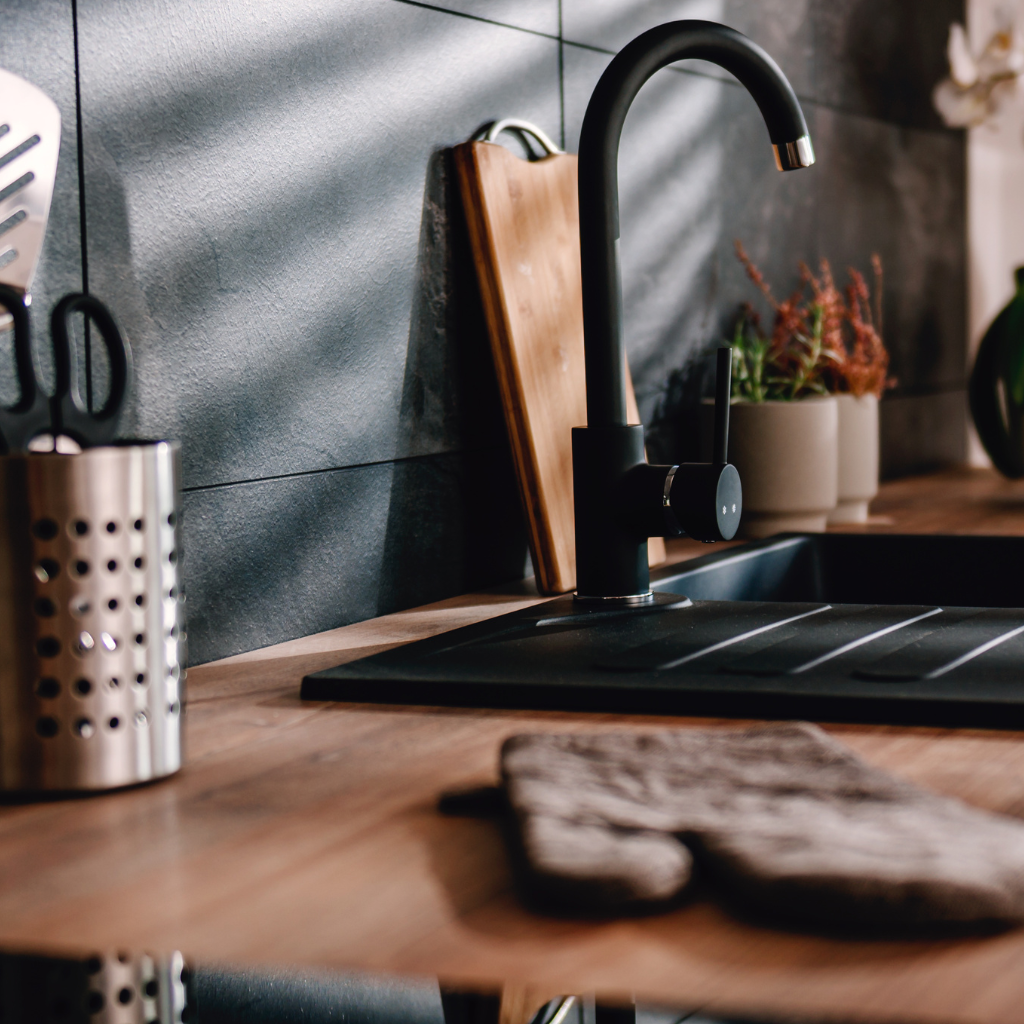
• Prioritize function over form especially in high-stress zones like the kitchen or desk area
Design Tip: Leave 50–70% of horizontal space empty to create a sense of openness.
Step 2: Use Calming Colors to Regulate Mood
Color psychology plays a massive role in how we feel. Cool and muted tones tend to lower heart rate and anxiety, while bright or saturated hues can increase stimulation.
Recommended Burnout-Healing Colors:
Pale Blue: Helps lower blood pressure and induce calm
Sage Green: Feels natural and emotionally restorative
Warm Beige or Clay: Creates grounding, cozy energy
Soft Blush or Muted Terracotta: Adds warmth without overwhelm
Pro Tip: Apply these shades to walls, bedding, curtains, and accents for a layered emotional effect.
Step 3: Integrate Natural Elements (Biophilic Design)
Biophilic design- a top trend in wellness-focused interiors refers to incorporating nature into your living space. Studies show that nature exposure improves cognitive performance, reduces stress hormones, and supports emotional balance.
Easy Biophilic Additions:
• Indoor plants like snake plants, pothos, or ferns
• Wooden or stone accents
• Linen, bamboo, or rattan materials
• Open windows for sunlight and airflow
Don’t have a green thumb? Even high-quality faux plants and natural textures can offer similar psychological benefits.
Step 4: Light Your Space to Support Healing
Lighting is not just about brightness, it’s about biology. Natural light exposure regulates melatonin, serotonin, and your circadian rhythm, all of which impact sleep, mood, and overall wellness.
Lighting Tips for a Burnout-Friendly Home:
• Switch to warm LED bulbs (2700K–3000K) to mimic natural light
• Use dimmers or multiple light sources (floor, table, overhead)
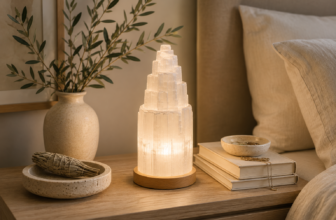
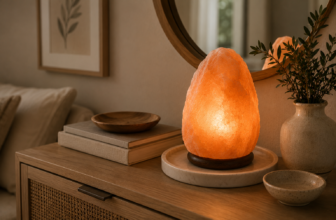
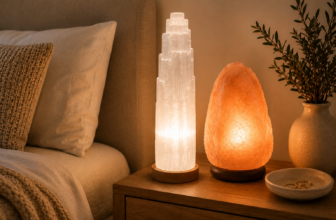
• Add salt lamps, candles, or string lights to soften evenings
Step 5: Use Texture and Touch to Ground Your Body
Burnout disconnects us from our senses. Incorporating touchable, comforting textures can bring you back into your body offering instant stress relief.
Design Insight: Soft + organic textures signal safety to your nervous system, which helps calm overactivation.
Step 6: Design Emotionally Supportive “Zones”
In open-plan or small spaces, burnout recovery can be harder if you don’t feel boundaries. Creating intentional zones even without walls gives your brain structure and clarity.
Examples of Zones That Support Healing:
• A rest zone with soft seating and dim light
• A tech-free area for journaling, prayer, or breathwork
• A routine station with a diffuser, journal, and soft mat
• A focus corner with light wood, minimal decor, and fresh air
Use rugs, shelving, plants, or curtains to visually divide these areas.
Step 7: Incorporate Rituals into Design
Burnout thrives in unpredictability. Rituals small, repeated behaviors—build internal structure and help your body anticipate rest.
Ways to Build Ritual into Your Decor:
• Keep a candle and journal by your bed for nightly reflection
• Place your diffuser in a spot that signals winding down
• Use a small tray to prep your tea each morning
• Store cozy items (robe, socks, eye mask) in a “rest basket”
When your home is set up to support healing behaviors, you’re far more likely to practice them consistently.
Step 8: Sound and Scent: The Invisible Healing Layers
What you hear and smell affects your mood just as powerfully as what you see. Use them to create an immersive, low-stress atmosphere.
Healing Sound Ideas:
• Nature sound machines or lo-fi playlists
• Indoor water features
• Quiet, low-tech spaces
Calming Scent Options:
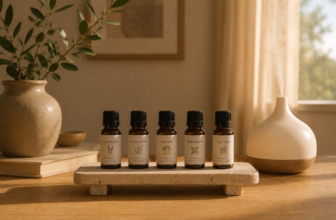
Lavender
Chamomile for sleep
Eucalyptus for mental clarity
Sandalwood for grounding
Use oil diffusers, room sprays, or soy candles for safe, continuous use.
Burnout Recovery Starts With the Spaces You Occupy
We tend to separate mental health from our physical space but in reality, they’re deeply connected.
You don’t need a new house or a full renovation. You need purposeful, sensory-safe spaces that give your body and brain the chance to decompress. By decluttering visual chaos, simplifying color palettes, and creating grounding zones, your home can become more than a place to live. It becomes a place to heal.
Key Takeaways
✔ Burnout is a chronic emotional condition that requires lifestyle and environmental support
✔ Your home can either increase or reduce stress, depending on design
✔ Healing homes prioritize softness, nature, light, and calm
✔ Focus on one area at a time, start small and build with intention