In a world that moves fast, feels noisy, and rarely pauses, creating a calm home environment is no longer just a luxury, it’s a wellness strategy. And one of the most beautiful, natural ways to shift the emotional energy of your home is through flowers.
Yes, flowers. Not just for holidays or special occasions, but for your daily, intentional space.
Flowers can uplift, soften, and restore. Their presence taps into color psychology, natural biophilia, and emotional memory all of which help reduce anxiety and support better mental health. Whether you’re working from home, resetting your space, or simply surviving a stressful week, the way you incorporate florals into your interior can gently change how you feel.
In this blog, we’ll explore the science, symbolism, and styling power behind flowers, plus 20+ ways they can help improve your mood and manage stress, right from home.
Why Flowers Affect Mood and Mental Health
Flowers Stimulate Positive Emotions
Flowers activate the limbic system, the part of your brain that controls emotion and memory. That’s why receiving or simply seeing flowers can immediately evoke happiness, warmth, or calm.
A Rutgers University study found that people who received flowers showed more genuine smiles and reported improved mood even days later.
They Lower Stress Hormones
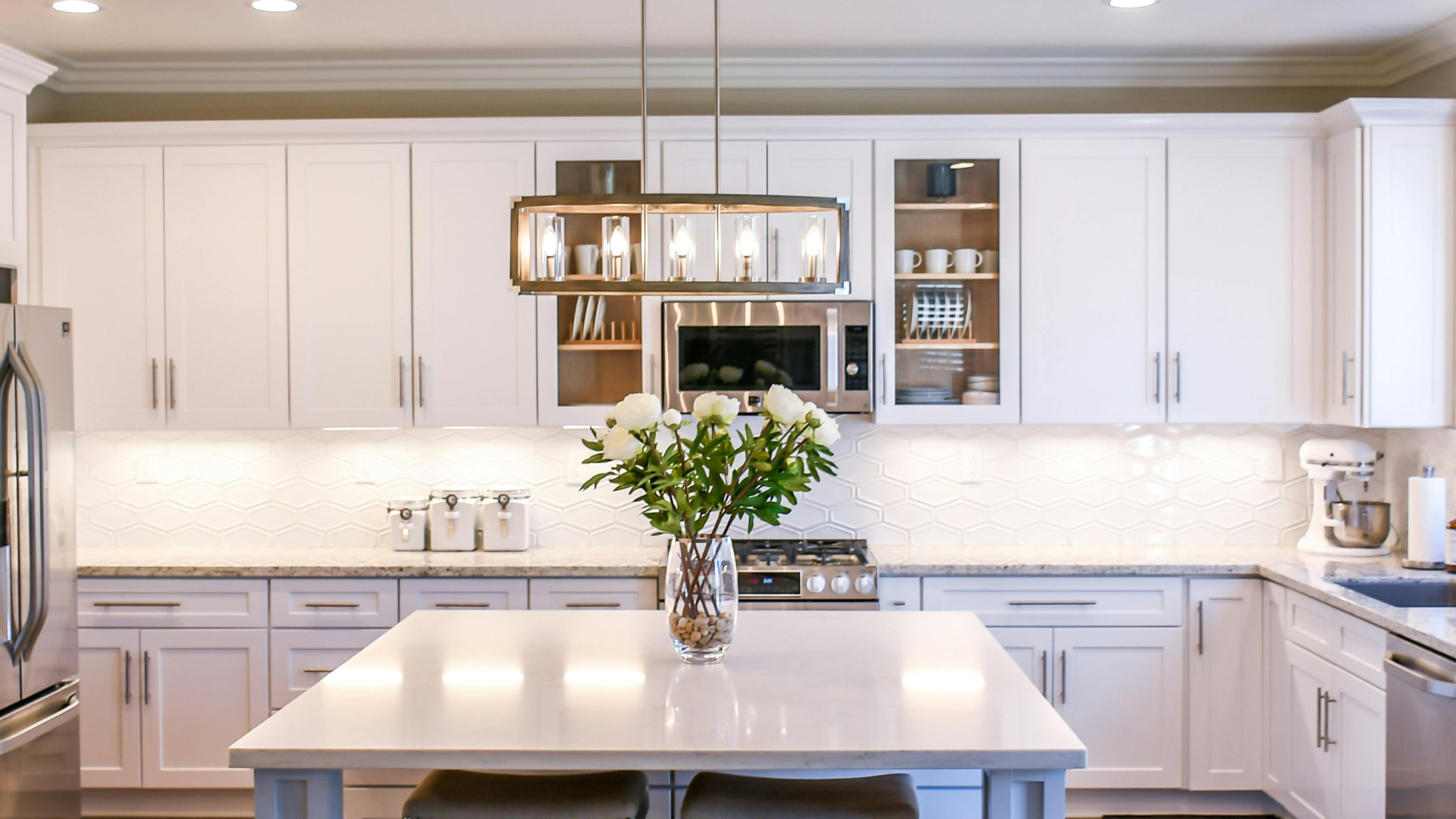
The act of seeing, smelling, or interacting with flowers has been linked to reduced cortisol levels. Keeping flowers in your home especially in high-stress areas like the kitchen, home office, or bathroom can offer a subtle but powerful calming effect.
The Psychology of Flowers: Why They’re So Powerful
Flowers bring a multi-sensory experience into your space:
Visual
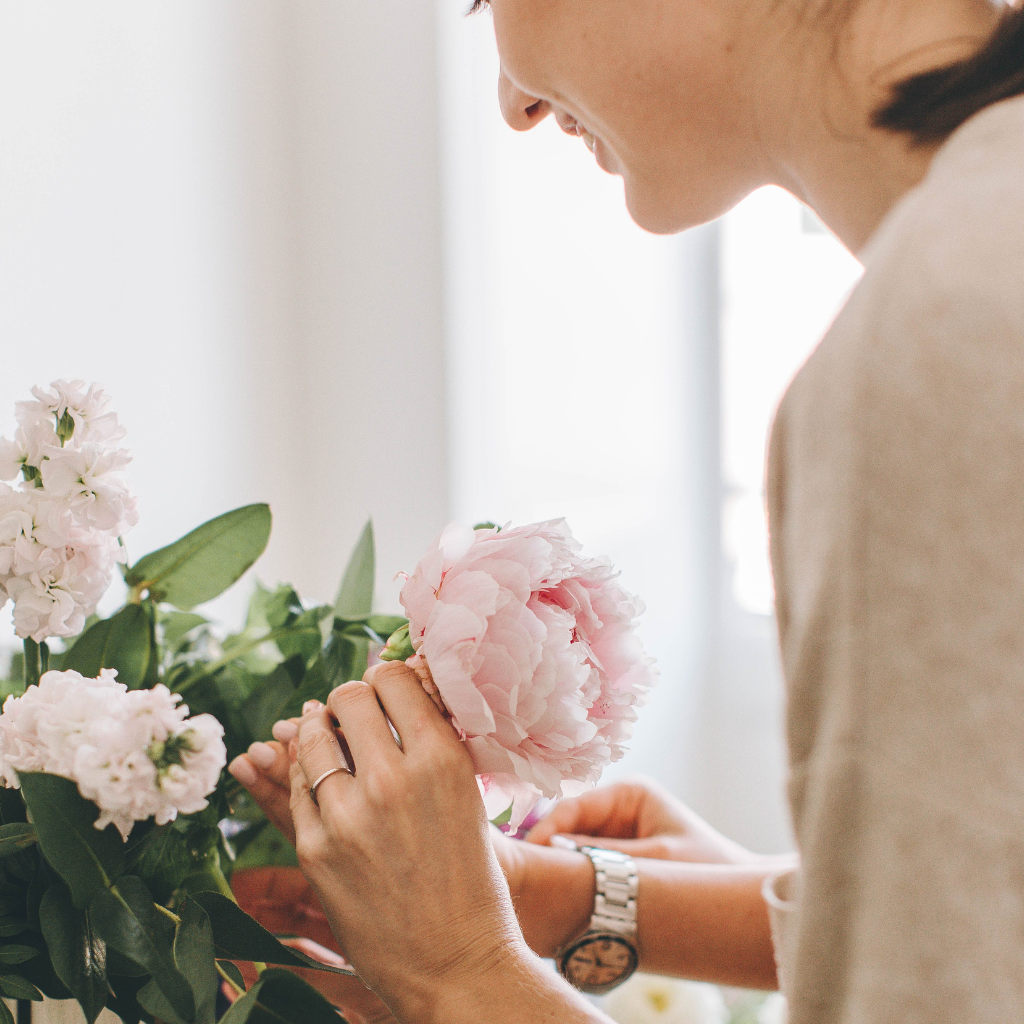
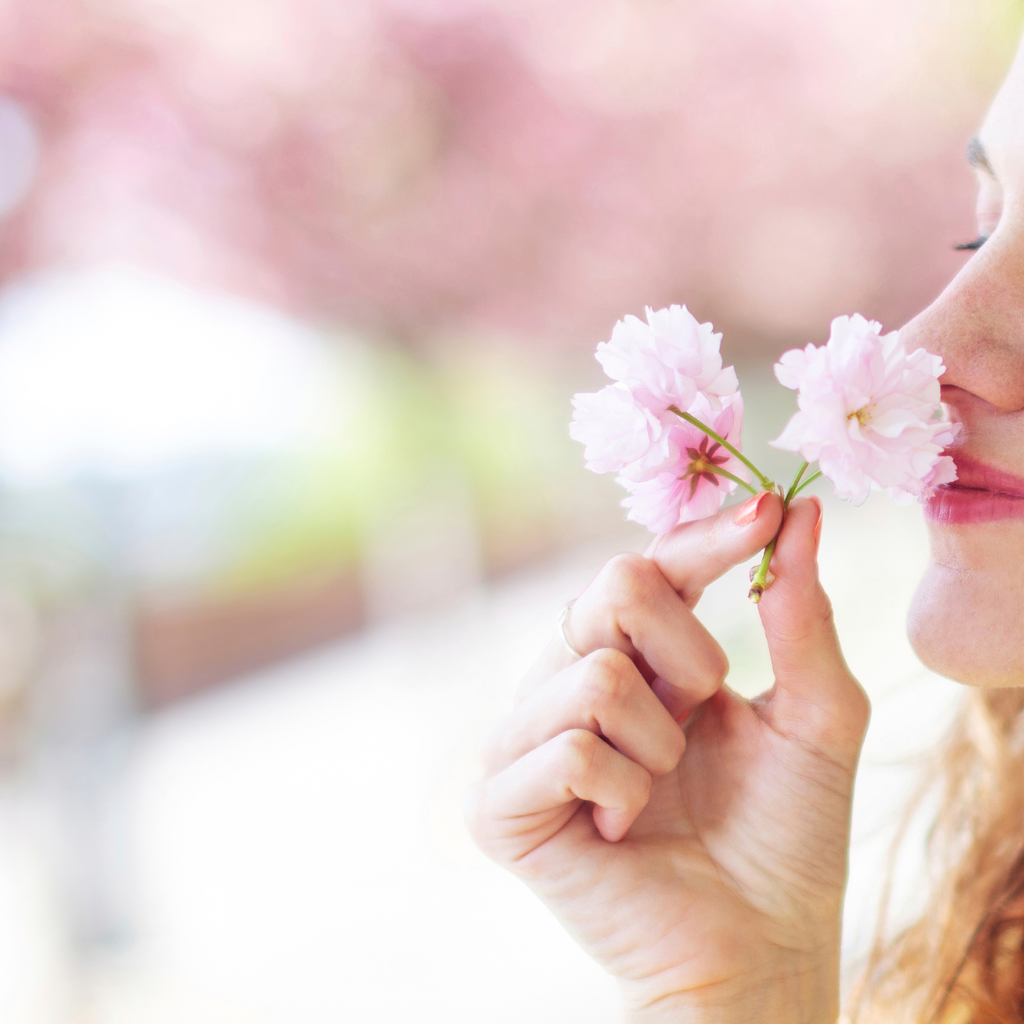
Olfactory
Emotional
Tactile
• Visual: Color, shape, balance, and movement
• Olfactory: Natural scent and aroma therapy
• Emotional: Nostalgia, cultural meaning, or personal symbolism
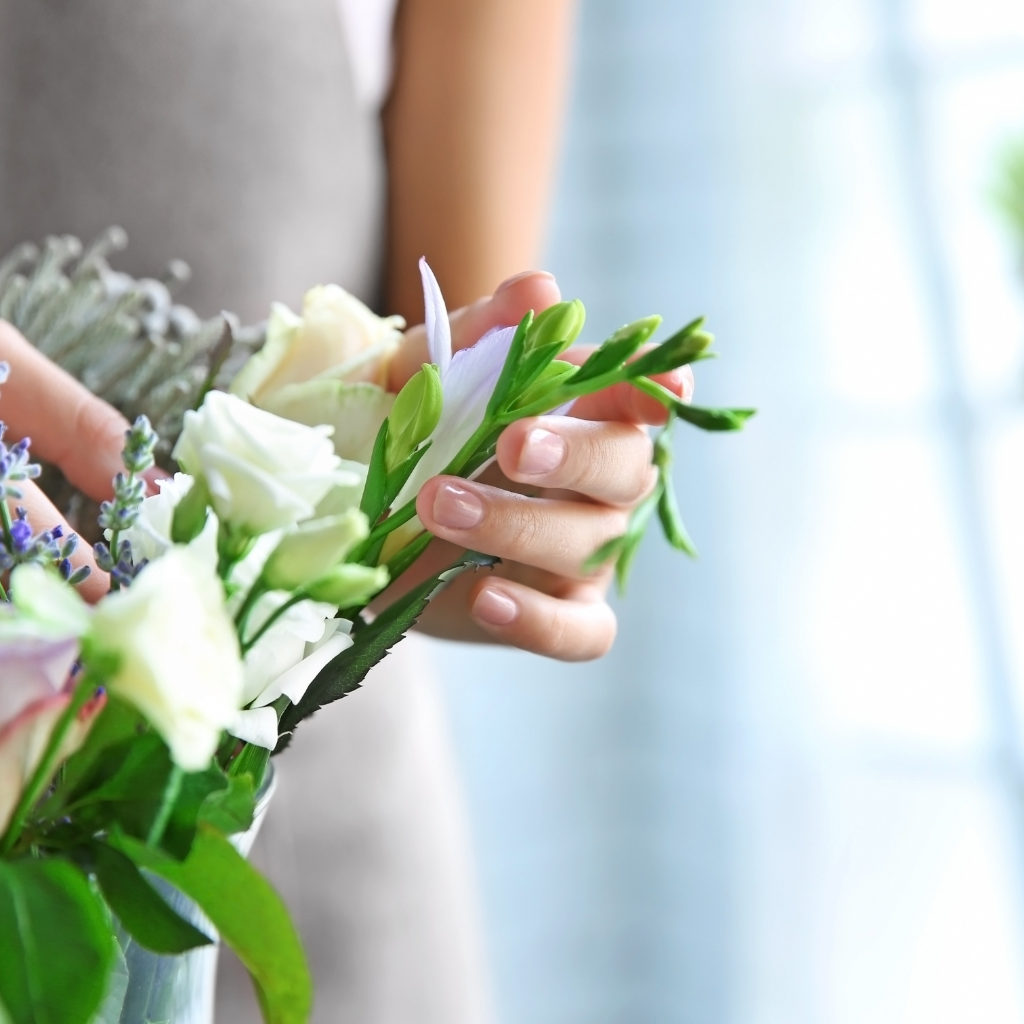
• Tactile: Arranging and watering becomes a sensory ritual
Their impact is both psychological and physiological, which is why they’re used in therapy gardens, hospitals, and mental health retreats.
20 Ways Flowers Reduce Stress and Improve Mood at Home
1. Instant Mood Booster
Fresh flowers increase dopamine and serotonin, offering an almost immediate emotional lift.
2. Lower Anxiety
Having flowers nearby reduces feelings of worry or restlessness especially when placed in calming areas like the bedroom or bath.
3. Softens the Energy in a Room
Floral arrangements break up hard lines and modern textures, creating a more approachable, human space.
4. Color Psychology at Work
Different hues affect your mood:
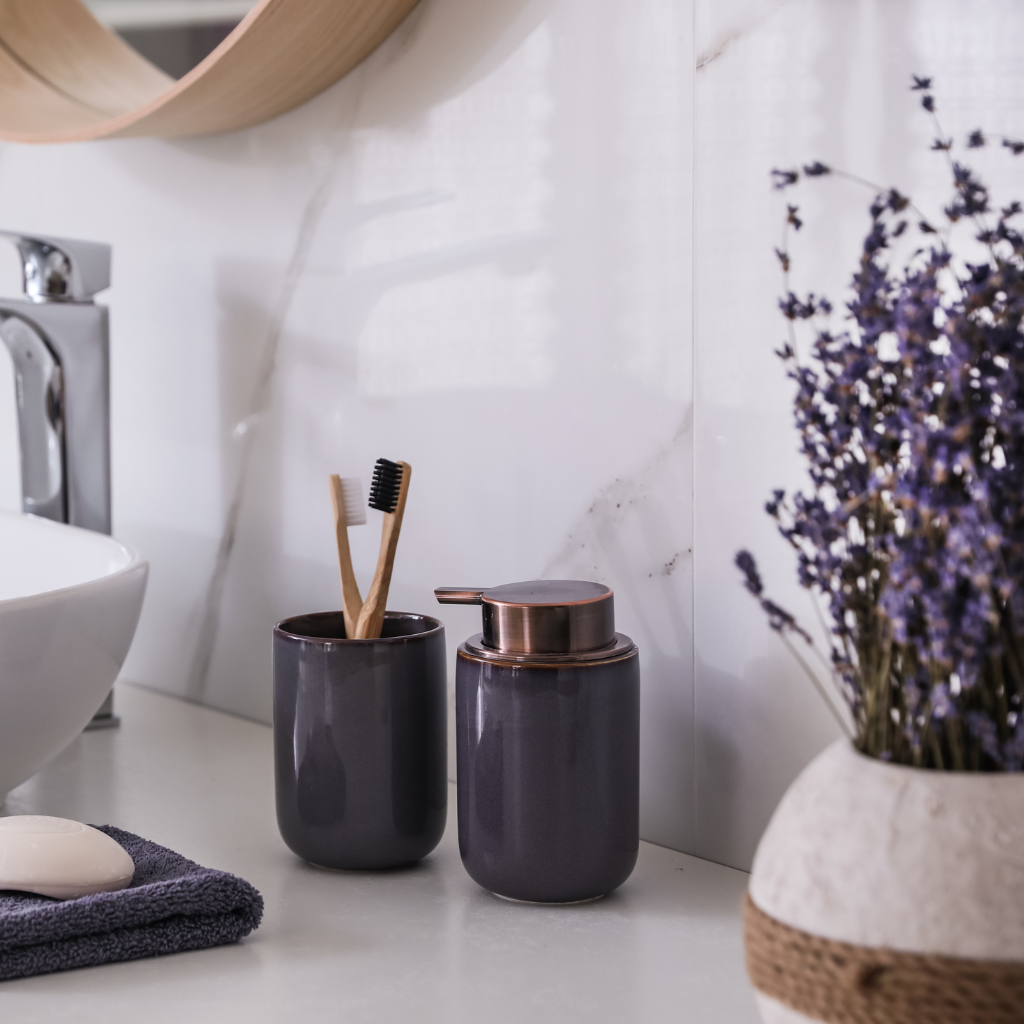
• Soft blues and lavenders promote calm
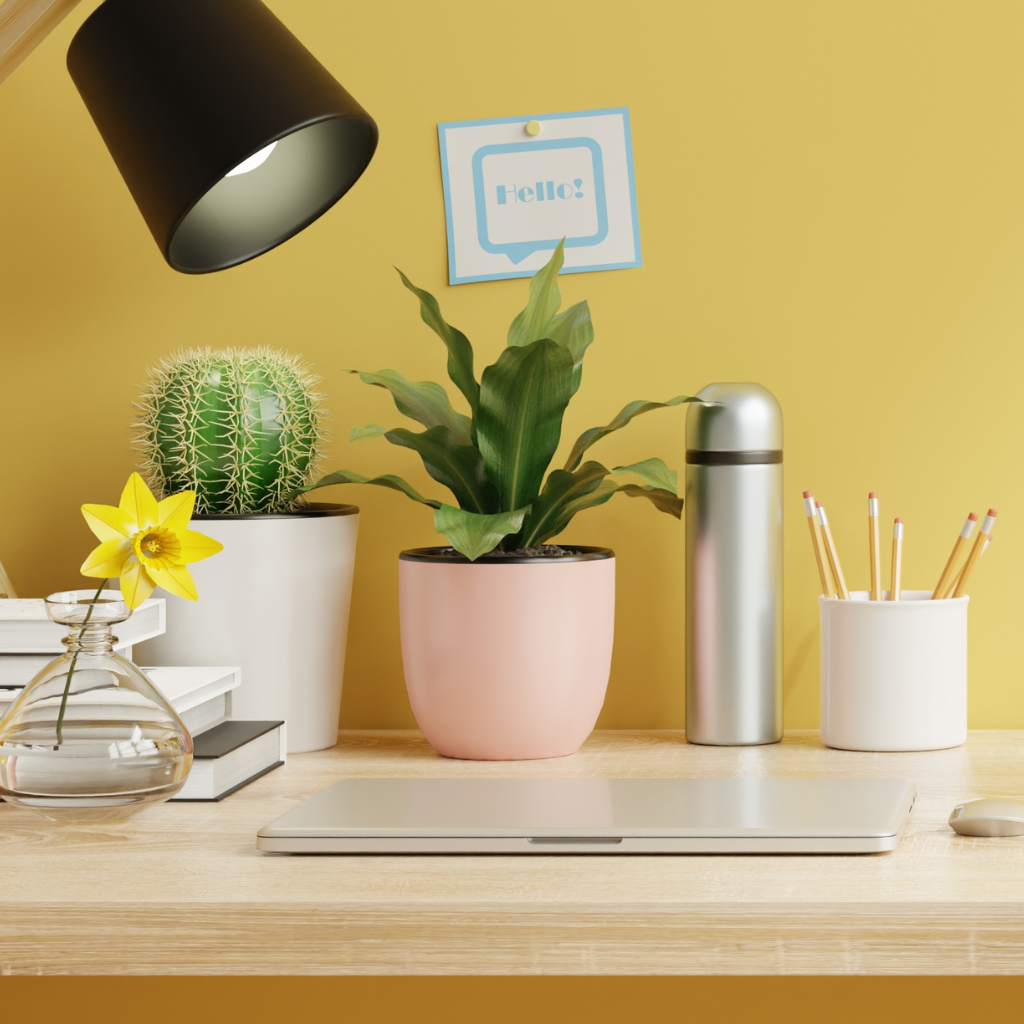
• Yellows spark happiness and energy
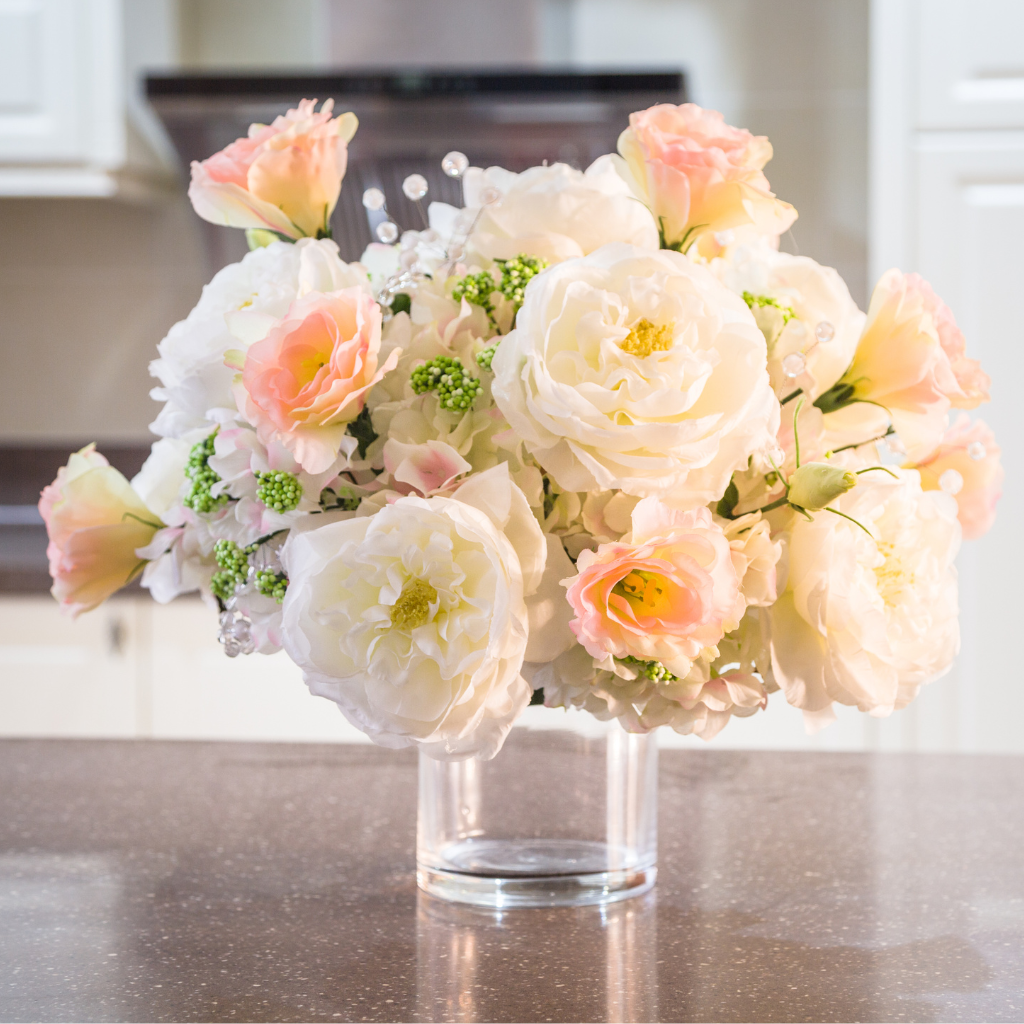
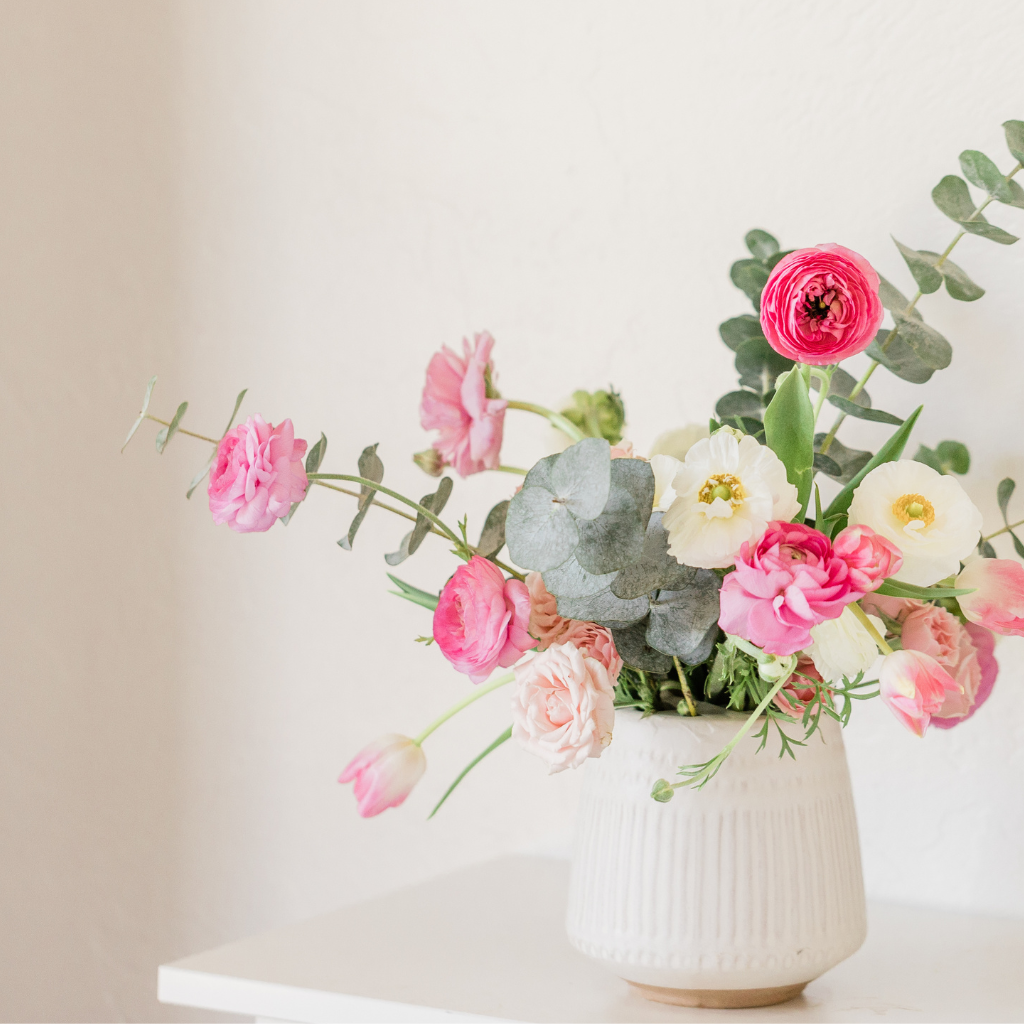
• Whites and creams bring clarity and simplicity
5. Reminds You to Slow Down
The delicate presence of petals can act as a visual nudge to pause, breathe, and come back to yourself.
6. Symbolic Connection
Flowers like peonies (healing), lavender (peace), or roses (love) hold emotional meanings that enhance your space with intention.
7. Bring the Outside In
Biophilic design shows that incorporating natural elements indoors improves wellbeing. Flowers connect you to the outdoors reducing mental fatigue.
8. Stimulate Creative Thinking
Florals in your workspace can support focus and new ideas by providing soft, organic visual stimulation.
9. Offer a Ritual
Changing the water, trimming stems, or rearranging your bouquet becomes a grounding 5-minute ritual to reset your mind.
10. Support Better Sleep
Fragrant flowers like jasmine or lavender promote relaxation and improve sleep quality when placed in the bedroom.
11. Calming Morning Anchor
A bloom on your coffee tray or breakfast nook sets a grounded tone for the day.
12. Brighten Low-Light Corners (and Low Moods)
Even artificial light bounces beautifully off petals, adding brightness to forgotten spaces.
13. Sensory Memory Triggers
Flowers often recall warm memories: a childhood garden, a wedding bouquet, a moment of peace activating calm through nostalgia.
14. Adds Softness to Structured Spaces
Modern or minimalist interiors benefit emotionally from the soft organic forms of florals, which bring warmth without clutter.
15. Seasonal Presence = Emotional Rhythm
Flowers shift with the seasons, bringing emotional variety and mindfulness into your home flow.
16. Encourage Gentle Movement
Tending to your flowers gets you out of your chair, and into light movement, helping ease mental stagnation.
17. Encourage Mindfulness
Observing how flowers open, move, or fade cultivates presence and awareness, key tools for managing anxiety.
18. Mark Transitions in the Day
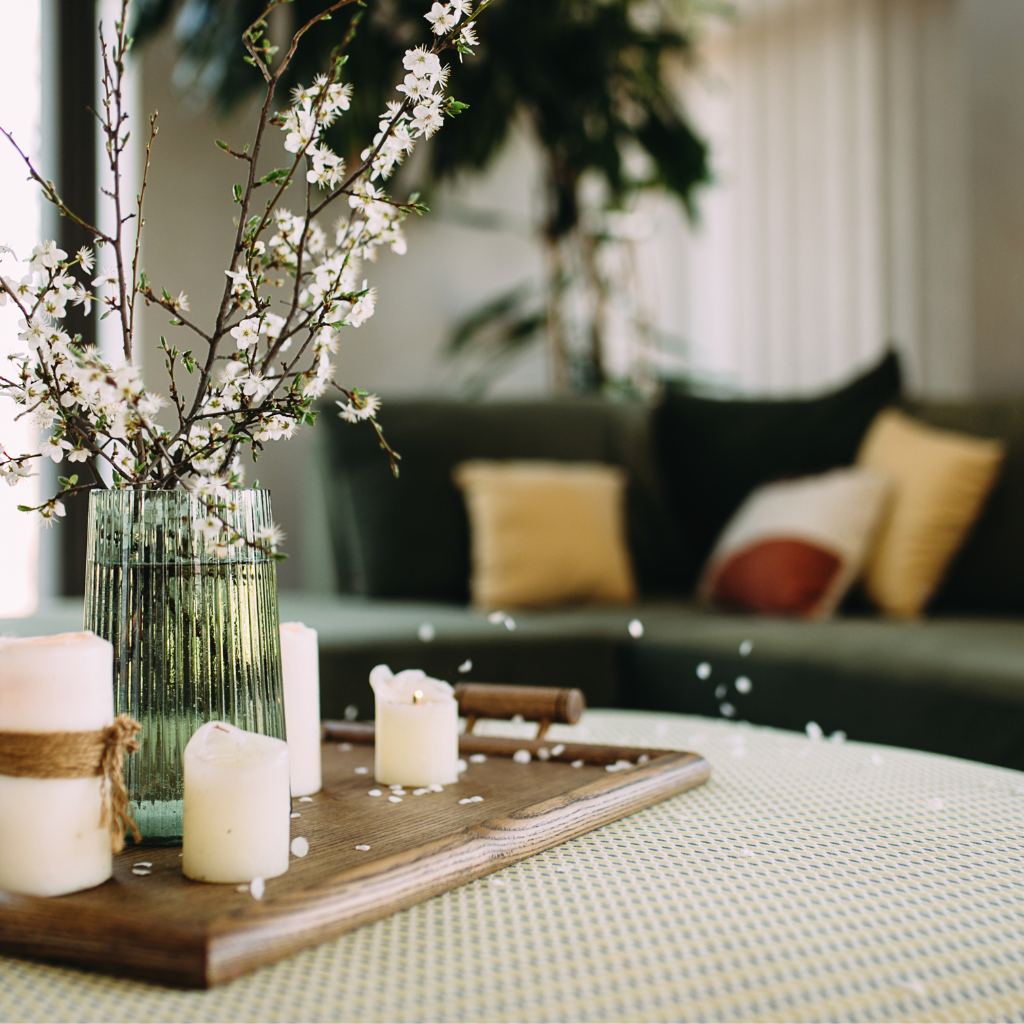
Lighting a candle and rearranging florals after work or before dinner creates a soft boundary between stress and rest.
19. Support Emotional Recovery
Grief, exhaustion, or burnout soften in the presence of flowers especially when paired with calming colors and soft textures.
20. Act as a Symbol of Hope and Renewal
A blooming flower is a physical reminder that growth and beauty are still possible even in difficult seasons.
Best Places to Display Flowers for Mood and Calm
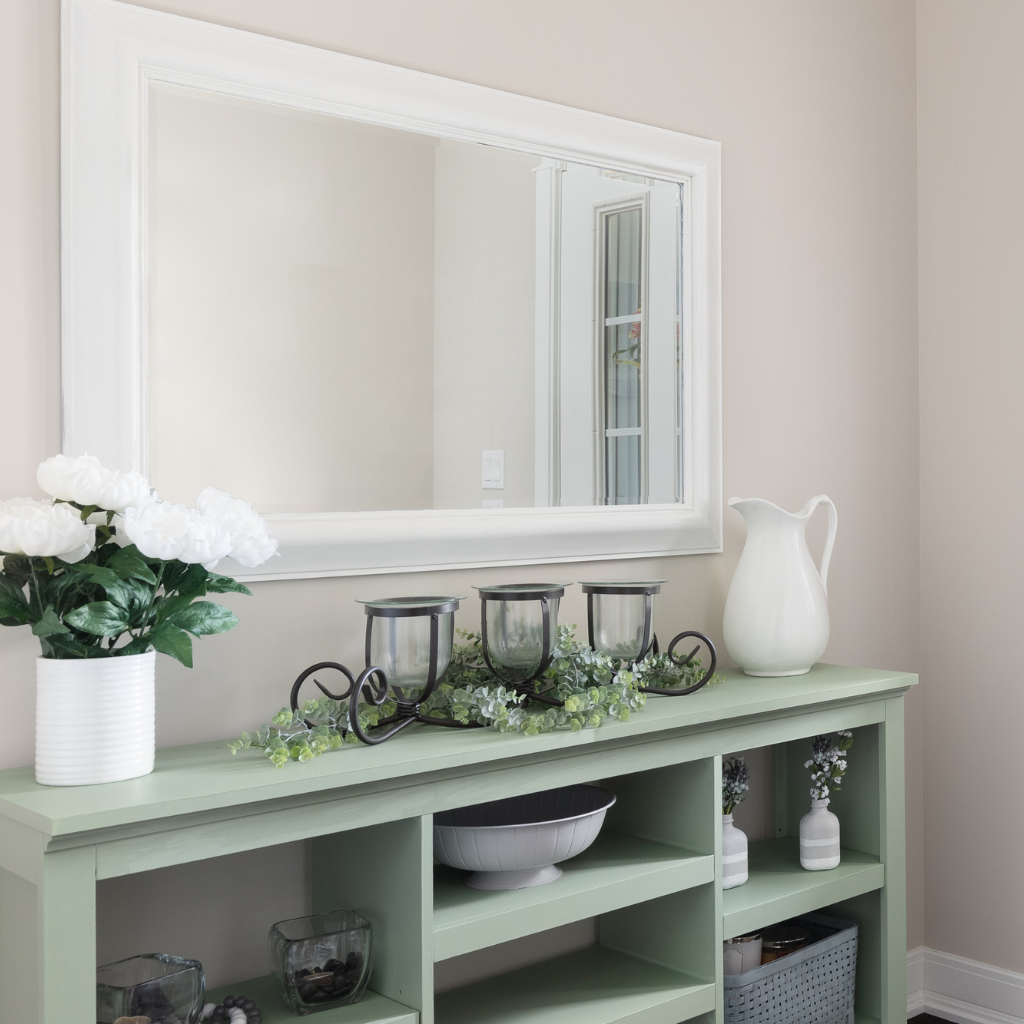
Where you place your florals amplifies their emotional effect. Here’s how to style them room by room for maximum benefit:
Flowers don’t just fill a vase. They fill the emotional gaps we often don’t know we’ve neglected.
Whether you place a single stem in a small ceramic vase or create a full seasonal arrangement, the effect is the same: You’re choosing softness. You’re welcoming beauty. You’re practicing presence.
And in a world that pulls you in every direction, that quiet moment with a flower might be the most healing choice you make all day.
I love how this reminds me that flowers aren’t just for decoration, they’re daily medicine for the soul. Even a single stem on my desk instantly shifts my mood and helps me slow down. It’s such a beautiful way to bring softness and calm back into everyday life.





I love how this reminds me that flowers aren’t just for decoration, they’re daily medicine for the soul. Even a single stem on my desk instantly shifts my mood and helps me slow down. It’s such a beautiful way to bring softness and calm back into everyday life.
Flowers can heal us in so many ways. Thank you!