



5 Signs Your Bedroom Humidity Is Ruining Your Sleep (And How to Fix It)

Disclosure: As an Amazon Associate, I earn from qualifying purchases. This post contains affiliate links, which means we may receive a small commission, at no extra cost to you, if you make a purchase through a link. This helps support our independent research and the maintenance of Lune & Ivory.

People who live in small homes and flats typically think about how well they sleep in terms of light, noise, and the comfort of their mattress. But in our study on HVAC rules, sleep studies, and how people really utilize things, one thing that always comes up is humidity.

You might not see it because it’s not constantly there. But when the humidity levels go outside of a healthy range, the whole sleep environment changes, at first in small ways and eventually in big ways.

In small bedrooms, where there isn’t much ventilation and the storage space is full, humidity builds up faster and stays around longer. The outcome is not simply discomfort; it can also mess up your body’s functions and keep you from getting deep, restorative sleep.

We explain the science, the signs, and the simple solutions to solve it below, without making your area too complicated. 

The ‘Heavy Air’ Problem: Why Humidity Disrupts Sleep

Your body uses a natural cooling process at night to help you fall into deeper slumber. The core temperature drops by 1 to 2 degrees Fahrenheit, which means it’s time to rest.

This process is affected by humidity.

When the relative humidity goes beyond 50%, the air gets so full that perspiration can’t evaporate as well. This evaporation is really important because it’s how your body lets go of heat.

It keeps heat from getting to the skin.

People often call the air “heavy” or “sticky” as a result:

  • Even when you can’t see sweat, your skin feels wet.
  • Bedding keeps warmth instead of letting it go.
  • The body has a hard time getting to its appropriate sleep temperature.
  • This causes more micro-awakenings, lighter sleep cycles, and a general feeling of restlessness over time.
  • This effect is stronger in smaller bedrooms. Less air volume means that moisture builds up quickly, especially at night when doors and windows are closed.

The 5 Signs Your Bedroom Humidity Is Too High

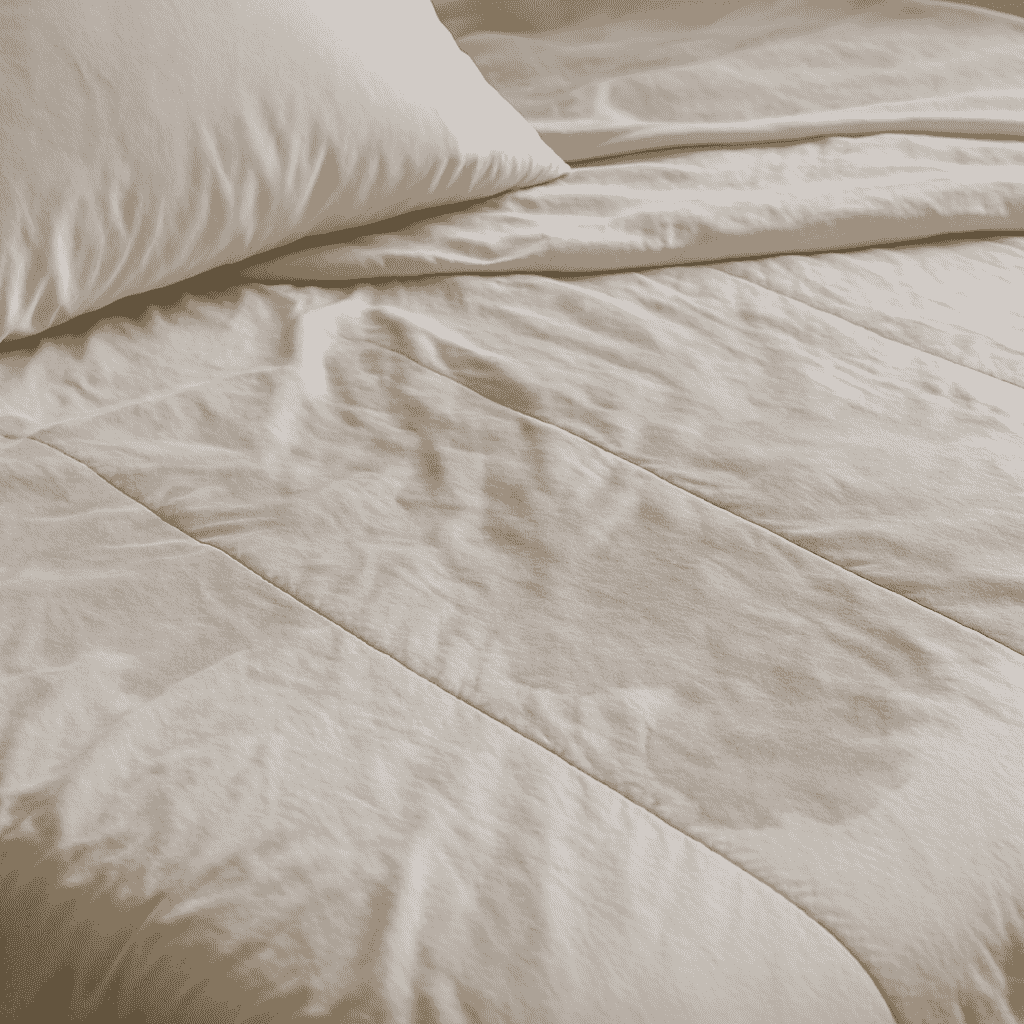
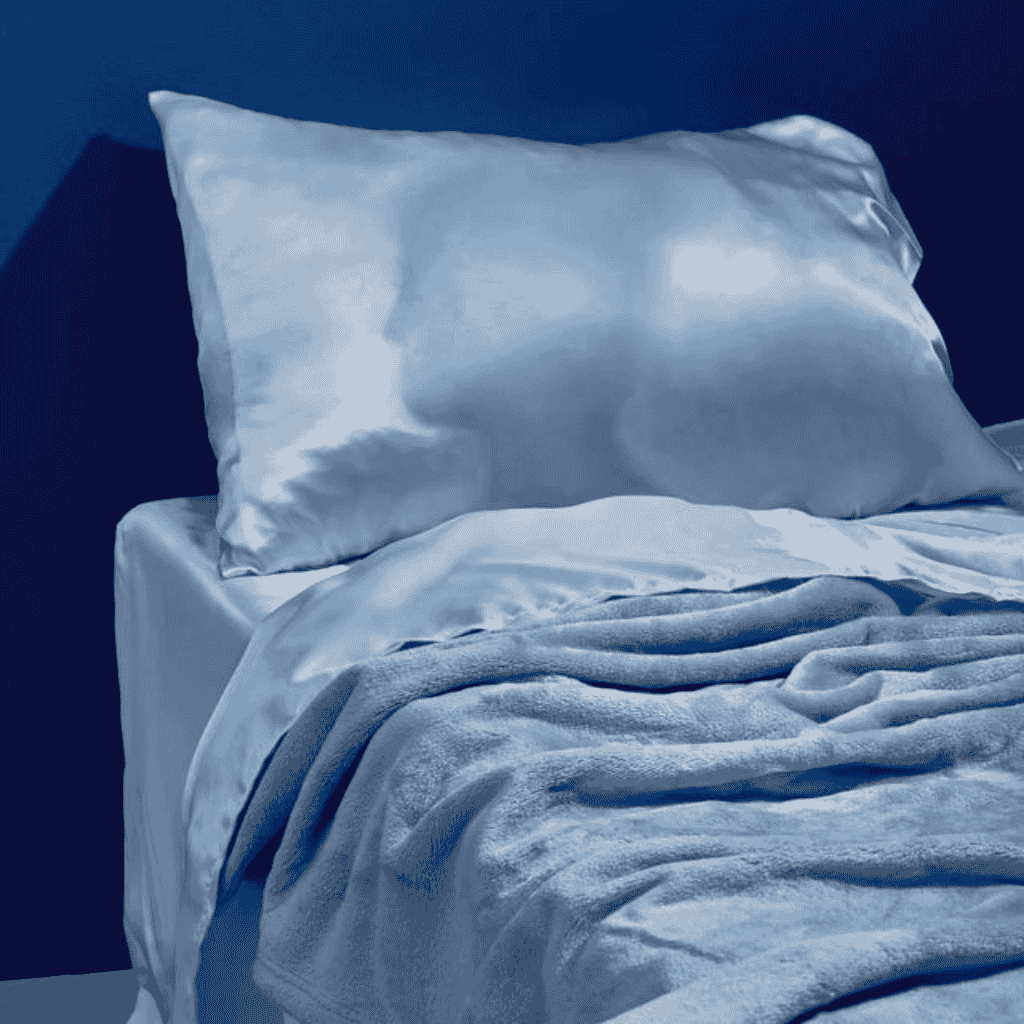
1. The ‘Clammy’ Bed

bedroom humidity sleep fabric moisture retention bedding issue

You change your linens often, yet they never seem crisp. Instead, they’re a little cold and a little damp, not wet, but not completely dry either.

This happens because the fabric takes in water from the air. When the humidity is high:

  • Cotton and linen keep water vapor.
  • Pillows keep heat and moisture in overnight.
  • Mattresses have a hard time letting go of moisture that has stored up.

Important point: If your bed feels “used” even after you’ve washed it, the problem may not be cleanliness; it may be the air itself.

2. Morning Congestion That Clears Later

bedroom humidity sleep sneezing allergy high humidity

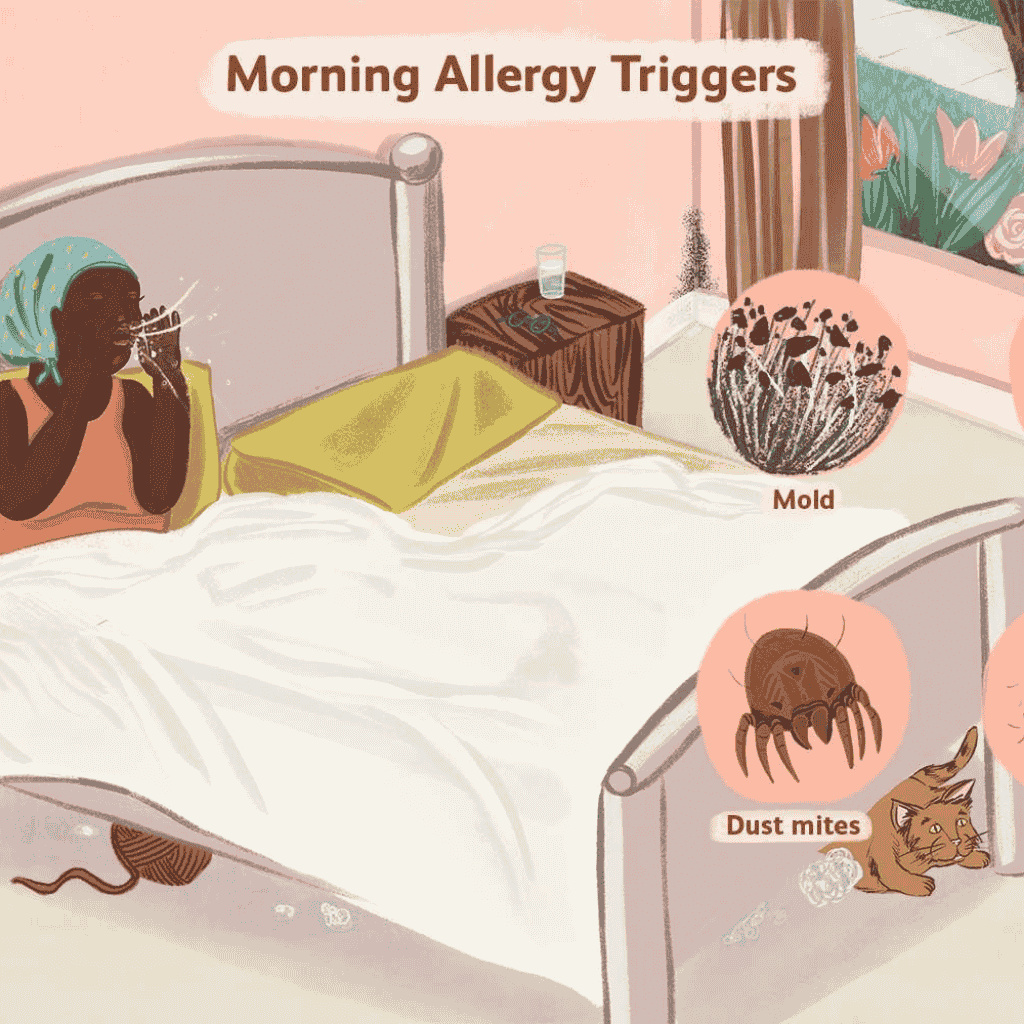
If you wake up with a stuffy nose but feel better later in the day, the humidity may be to blame.

Dust mites love places that are damp. They don’t drink water like we do; instead, they take in moisture from the air.

When the humidity level goes above 50–60%:

  • Dust mite numbers grow quickly
  • Bedding becomes a main place to live.
  • Allergens build up overnight.

This can cause:

  • Nose that is stuffy when you wake up
  • Slight discomfort in the throat
  • Sleep disturbance that is subtle but constant

The main point is that morning congestion that goes away after you leave the bedroom is usually caused by something in the environment, not the season.

3. The ‘Musty’ Closet or Drawer

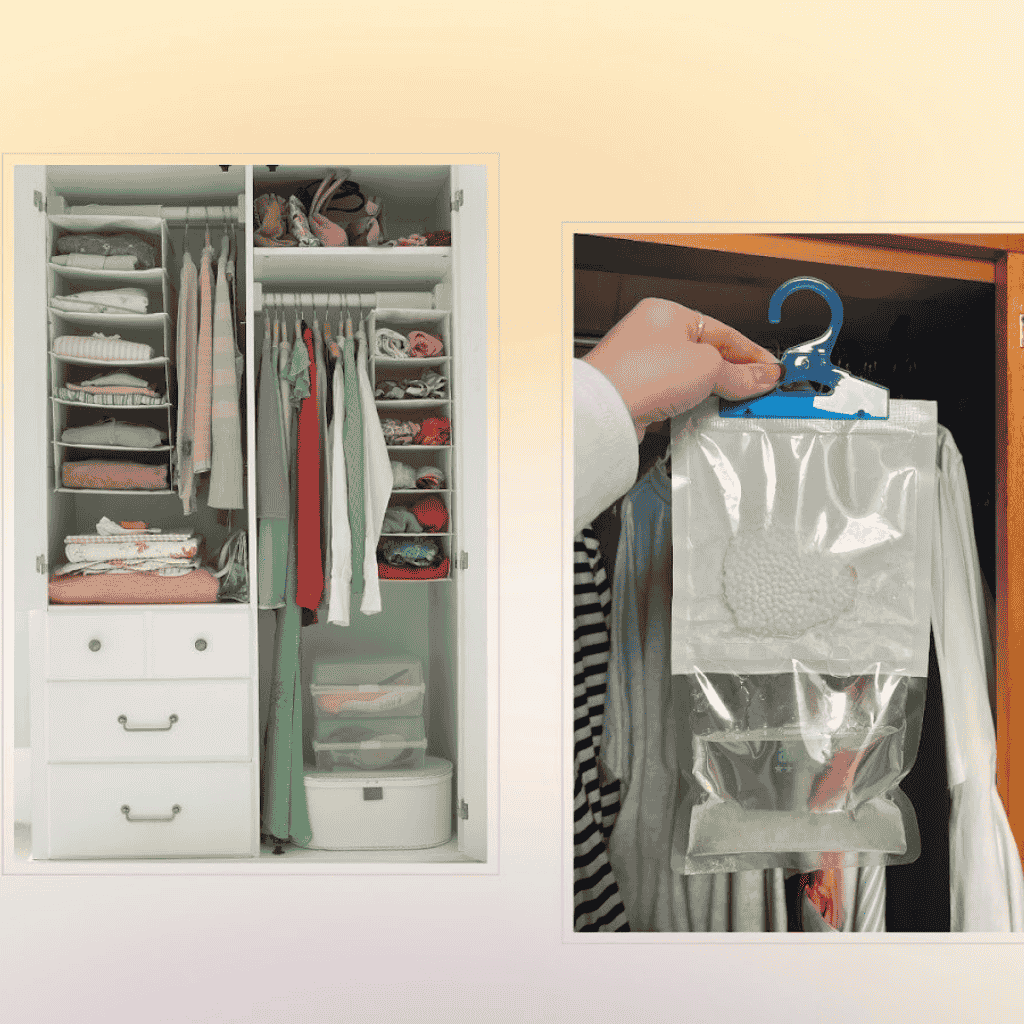
A closet showing poor airflow where humidity builds up, affecting the overall bedroom sleep environment.
bedroom humidity sleep closet airflow problem humidity buildup

When bedrooms are small, there isn’t much place for storage. You might have to use under-bed bins, small wardrobes, or shared closets.

These closed-off spaces are where humidity usually shows up first.

Some signs are: 

  • A subtle musty smell on garments
  • Fabrics that seem a little cold or heavy
  • Shoes or bags that never really “air out”

Because there isn’t much airflow, moisture gets stuck. Over time, this can cause:

  • Growth of mold or mildew
  • Fabric getting worse
  • Lingering smells that come back into the room

Key point: If your closet smells different from the rest of your house, it’s a sign of how humid the whole place is.

4. Restless Tossing and ‘Sticky’ Skin

bedroom humidity sleep tossing turning poor sleep quality
bedroom humidity sleep uncomfortable bed sticky feeling high humidity

Even if the temperature is theoretically comfortable, the humidity might make it hard to sleep.

Without the right amount of evaporation:

  • Skin stays a little wet
  • Instead of breathing, sheets stick to you.
  • As the body tries to cool off, it moves more.

This typically looks like:

  • Tossing and turning for no clear reason
  • Getting up without feeling rested
  • A general feeling of “never quite getting comfortable”

The main point is that if your sleep is disturbed and there are no clear noise or light problems, humidity may be the problem.

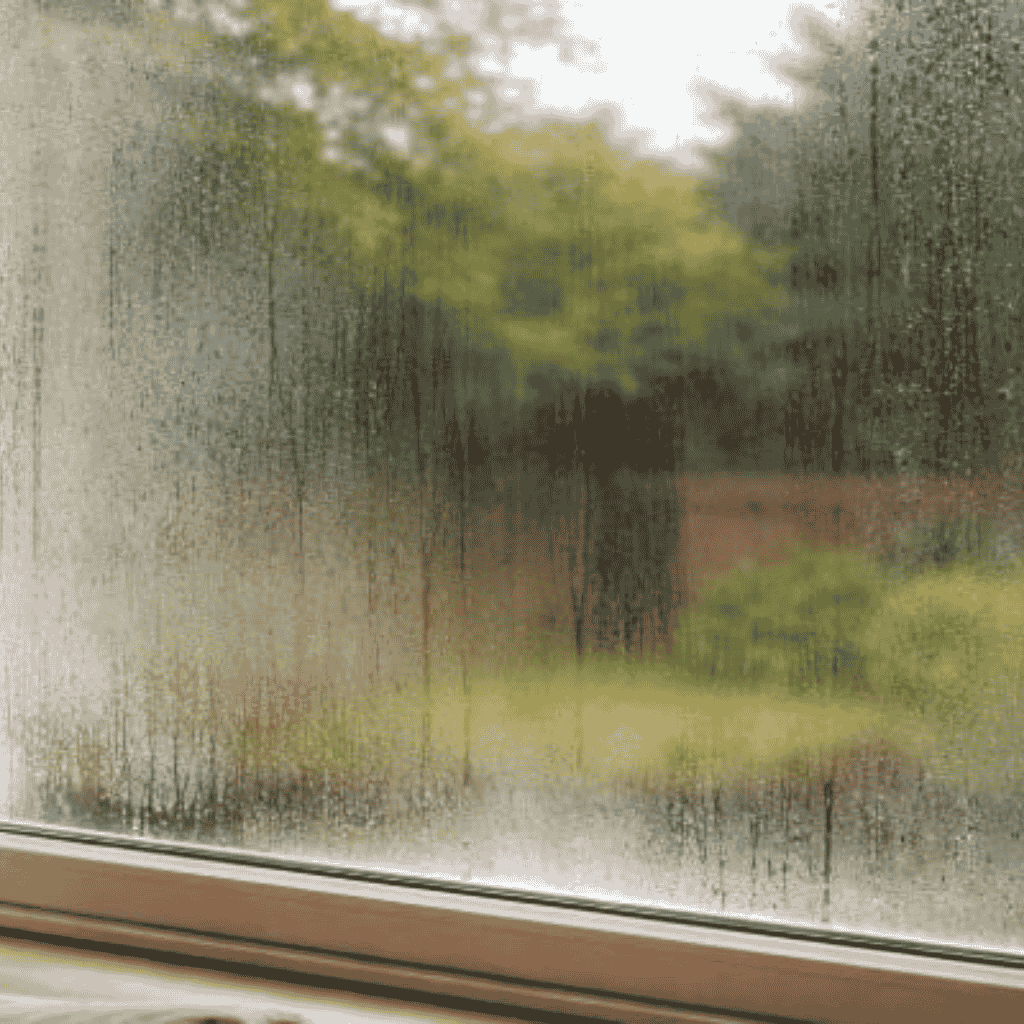
5. Visible Condensation (Your 24/7 Warning Sign)

bedroom humidity sleep foggy window indoor humidity problem
bedroom humidity sleep condensation window moisture high humidity sign

The most obvious indication is condensation, which is also the one that most people neglect.

When warm, humid air from within encounters a cooler surface, like a window, it lets out water droplets.

If you see:

  • Windows that are foggy in the morning
  • Water pooling along the frames
  • Dampness near glass surfaces indicates that the humidity inside is always high.

Important point: Condensation isn’t only a cosmetic problem; it’s a clear sign that your environment is too humid.

The 30–50% Sweet Spot (And Why It Matters)

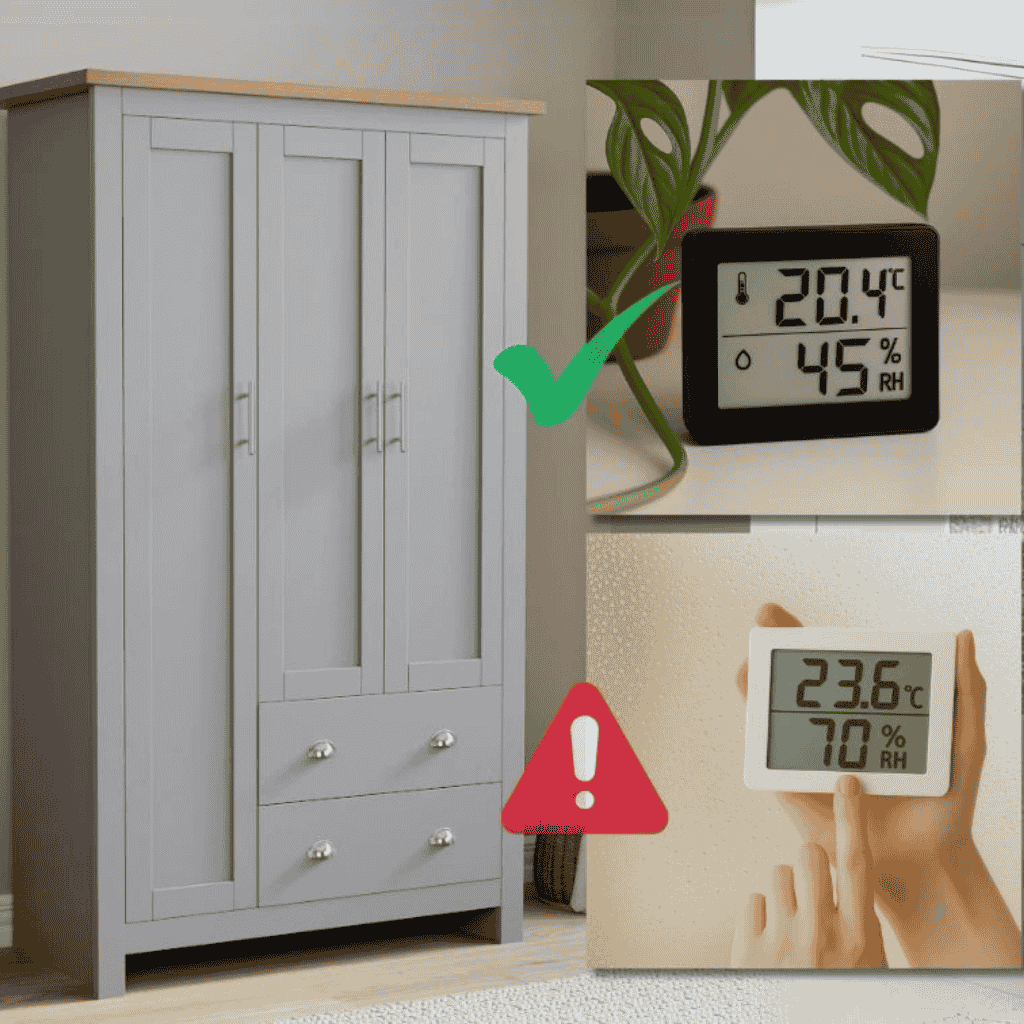
Most building and health guidelines converge on a simple range: 30% to 50% relative humidity.

Below 30%:

  • Air becomes dry and irritating
  • Skin and nasal passages lose moisture

Above 50%:

  • Sweat evaporation slows
  • Dust mites and mold thrive
  • Sleep comfort declines

For sleep specifically, staying within this range supports:

  • Efficient body temperature regulation
  • Cleaner air quality
  • More stable sleep cycles

In small bedrooms, the challenge isn’t reaching this range, it’s maintaining it consistently.

Lune & Ivory Pro-Tip

In compact spaces, humidity often spikes overnight when doors are closed. Try leaving your bedroom door slightly ajar (even 2–3 inches) to improve passive airflow without compromising privacy.

How to Fix It: Low-Tech Solutions That Actually Help

There are easy and practical techniques to lower humidity, especially in smaller spaces, before you buy gadgets.

1. Make ventilation better (in a smart way)

  • Not all airflow is good. Timing is the key.
  • When the air outside is drier than the air within, open windows.
  • Check the dew point (lower means drier air) with weather apps.
  • Instead of keeping windows open all day, cross-ventilate for a short time.

Why it works: You’re not just moving the same damp air around; you’re also moving drier air.

2. Use charcoal or things that soak up moisture.

Bags of activated charcoal are a quiet, low-maintenance choice.

Put them:

  • In closets
  • Under the bed
  • By the windows or in the corners

They don’t get rid of a lot of moisture, but they do assist keep tiny areas of humidity stable.

3. Put in plants that soak up moisture

Snake plants are great for bedrooms because:

  • Little upkeep
  • Can handle low light
  • A subtle effect on moisture balance

Plants won’t take the role of machines, but they do help make the microclimate more balanced.

Lune & Ivory Pro-Tip

Closets trap humidity faster than the rest of the room. Rotate closet doors open for a few hours each week to prevent moisture buildup in enclosed storage.

The ‘System’ Upgrade: When Simple Fixes Aren’t Enough

If the humidity stays high all the time, a more organized strategy is needed.

1. Get a hygrometer

A hygrometer tells you how humid it is right now.

Govee Hygrometer
$12.99


Check Price on Amazon
We earn a commission if you make a purchase, at no additional cost to you.
04/09/2026 02:12 am GMT

You have to guess if you don’t have one. With one:

  • You can keep an eye on patterns, especially spikes that happen at night.
  • Make better use of the time of ventilation
  • Know when you really need to step in
  • Think of it as the base of a system for controlling humidity.

2. Put in a dehumidifier for small spaces

A little dehumidifier can make a big impact in rooms that are always damp, especially in warm places or flats that don’t get enough air flow.

Pro Breeze Electric Mini Dehumidifier
$42.99


Check price on Amazon
We earn a commission if you make a purchase, at no additional cost to you.
04/09/2026 02:12 am GMT

Look for:

  • Units made for bedrooms (silent operation)
  • Features that turn off automatically
  • Small footprint for small spaces

These devices actively get rid of moisture, which helps keep the sweet spot between 30 and 50% without having to change it all the time.

Lune & Ivory Pro-Tip

Place your dehumidifier near the source of moisture, not just where it fits visually. In small bedrooms, this is often near windows, closets, or under-bed storage zones.

A Note on Comfort Layers (Including Sleep Masks)

It’s easy to think that accessories like cooling sheets, breathable pajamas, or even a good sleep mask can help with sleep problems.

But here’s the part that many miss:

  • These alternatives might not work as well if the air is very humid.
  • Even sleep masks that have been well-reviewed, like the MZOO or Alaska Bear, need to be dry to be comfortable. In a space with a lot of moisture:
  • Fabric holds onto water
  • Underneath, the skin feels warmer.
  • Pressure points become easier to see.
  • This is why controlling the environment is the most important thing.
  • Accessories should make a space look better, not make up for it.

Comparison Insight: When to Stay Simple vs. Upgrade

Not every bedroom needs a whole system.

If:

  • Humidity changes from time to time.
  • Problems are only in closets or corners.
  • Changes in the seasons fix the problem.

If you need to upgrade your system, it makes sense to do so.

  • Condensation happens a lot
  • There is always traffic in the morning.
  • Patterns are more important than extremes in small homes.

Consistent, moderate humidity usually has a stronger effect than short bursts of high humidity. 

How to Choose the Right Approach

What to Focus On

  • Consistency over perfection
  • Airflow pathways (not just open windows)
  • Moisture sources (laundry, bathrooms, plants)

Common Mistakes

  • Ventilating at the wrong time of day
  • Ignoring enclosed storage areas
  • Over-relying on textiles labeled “cooling”

What Actually Matters

  • Keeping humidity within range overnight
  • Reducing moisture buildup in fabrics and surfaces
  • Creating a stable, predictable sleep environment

If your sheets feel wet at night, do this easy test:

  • Before bed and again in the morning, check the humidity.
  • A increase overnight can often explain why sleep feels different from the rest of the day.

Humidity is one of the most common things that can keep you from sleeping well, especially in small bedrooms where the air doesn’t move around much. The indications are small but always there: bedding that feel damp, stuffy mornings, musty storage, restless sleep, and condensation.

The answer doesn’t need a total change.

First, get to know your surroundings, and then add minor, planned fixes on top of that.

For a lot of households, the mix of:

  • Basic knowledge on ventilation
  • Absorption of moisture in a certain area
  • And when you need it, a simple dehumidifier is all you need to feel better.

In the end, better sleep isn’t simply about what’s on your bed. It’s all about the air around it.

Frequently Asked Questions

1. What is the ideal humidity level for sleep?

The ideal bedroom humidity is between 30% and 50%, which helps regulate body temperature and supports deeper, more comfortable sleep.

2. Can high humidity make it harder to sleep?

Yes. High humidity prevents sweat from evaporating, making the body feel warmer and causing restlessness, frequent waking, and lighter sleep cycles.

3. How can I reduce humidity in my bedroom naturally?

You can improve airflow, use moisture-absorbing materials like charcoal, and keep closets ventilated. For consistent issues, a small dehumidifier is the most effective solution.

Elle
We will be happy to hear your thoughts

Leave a reply

Lune and Ivory
Logo