
Humidifier vs. Dehumidifier: Choosing the Right One for Every Season
 Elle
Elle

Humidifier vs. Dehumidifier: Choosing the Right One for Every Season
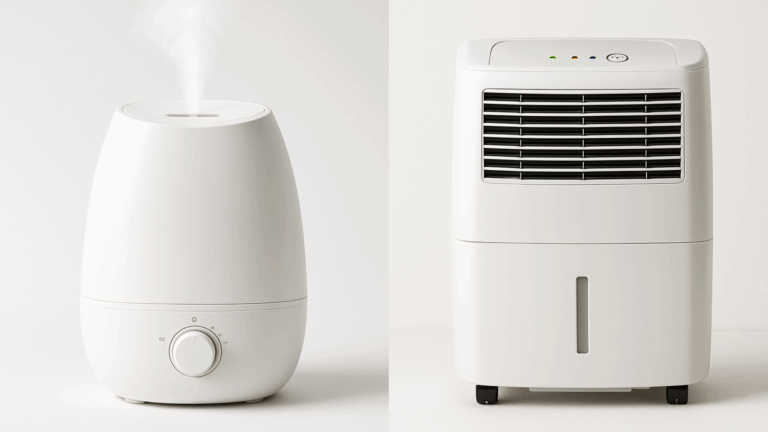
Breathing Easy at Home
Have you ever stepped into your home and immediately felt the air, whether it was dry and crisp, or heavy and sticky? That’s indoor humidity at work. While it might not always be visible, the balance of moisture in the air can have a huge impact on how we feel and how our home functions.
When the air is too dry, you may notice chapped lips, itchy skin and that annoying scratchy throat in the morning. Your wooden floors or some of the furniture might even start to crack, and houseplants can struggle to thrive. On the other hand, when the air is too humid, it creates a completely different set of problems, muggy rooms, musty odors, condensation on windows, and the risk of mold or mildew creeping into your walls and fabrics.
This is where humidifiers and dehumidifiers come into play. Though their names sound similar, they are exact opposites in function. A humidifier adds moisture to the air, making it helpful in the cold, dry months, while a dehumidifier removes excess moisture, offering relief during damp, humid seasons.
But here’s the tricky part: How do you know which one you need and when? The answer depends on your climate, your home environment, and even the season of the year. Choosing the right device can make all the difference in creating a living space that’s not only comfortable but also supports your health and well-being.
In this guide, we’ll break down everything you need to know about humidifiers vs. dehumidifiers:
- What they are and how they work.
- Their benefits for your health and your home.
- When to use each one, depending on the season.
- Signs that tell you it’s time to invest in one or the other.
By the end, you’ll have a clear understanding of how to keep your indoor air balanced and healthy, no matter the weather outside. Because your home should always feel like a sanctuary, whether it’s winter dryness, spring allergies, summer stickiness, or fall transitions.
What Is a Humidifier?
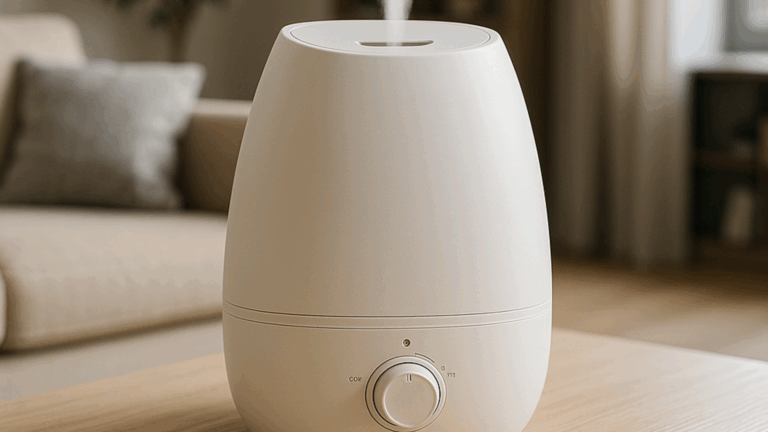
A humidifier is a device designed to add moisture to the air by releasing water vapor. While it may sound simple, the difference it makes inside a home is remarkable. If you’ve ever woken up with a scratchy throat in the winter or noticed your skin becoming flaky and irritated during colder months, chances are the air around you was too dry. A humidifier restores balance by gently increasing humidity levels, creating a more comfortable and healthy environment.
These devices are especially valuable in cold and dry climates or during the winter months, when indoor heating systems tend to strip the air of natural moisture. Without this balance, the air in your home can quickly become uncomfortably dry, leading to both health concerns and damage to your living space.
Benefits of a Humidifier
A humidifier does more than just “moisturize” the air, it actively supports your health, comfort, enhances, and protects the home you’ve built.

- Eases dry skin and lips – Dry air can be harsh on your body. If you notice cracked lips, itchy hands, or tight skin during winter, that’s your body telling you it needs more moisture. A humidifier keeps your skin hydrated and comfortable, preventing painful cracks and irritation.
- Soothes respiratory issues – Breathing in dry air often leads to sore throats, stuffy noses, and even sinus discomfort. With a humidifier, the airways stay moist, reducing irritation, making it easier to breathe, and even easing cold or allergy symptoms. Families with children often find this especially helpful during flu season.
- Protect wooden furniture and floors – Your home feels the effects of dry air, too. Wood naturally expands and contracts with changes in humidity, and when it gets too dry, you might notice your floors creaking more or your furniture showing small cracks. Maintaining proper humidity helps preserve the beauty and lifespan of wood surfaces.
- Improves sleep quality – If you or your partner snore, dry air might be a hidden cause. A humidifier can add enough moisture to keep your throat and nasal passages from drying out at night, reducing snoring and helping you sleep more soundly. You’ll wake up feeling more refreshed instead of groggy or dehydrated.
- Supports plant health – Many houseplants love environments with moderate humidity. If you’ve ever noticed browning leaf tips or drooping plants, it could be because the air is too dry. A humidifier helps recreate the conditions plants thrive in, keeping your indoor greenery vibrant and healthy.
Best Time to Use a Humidifier
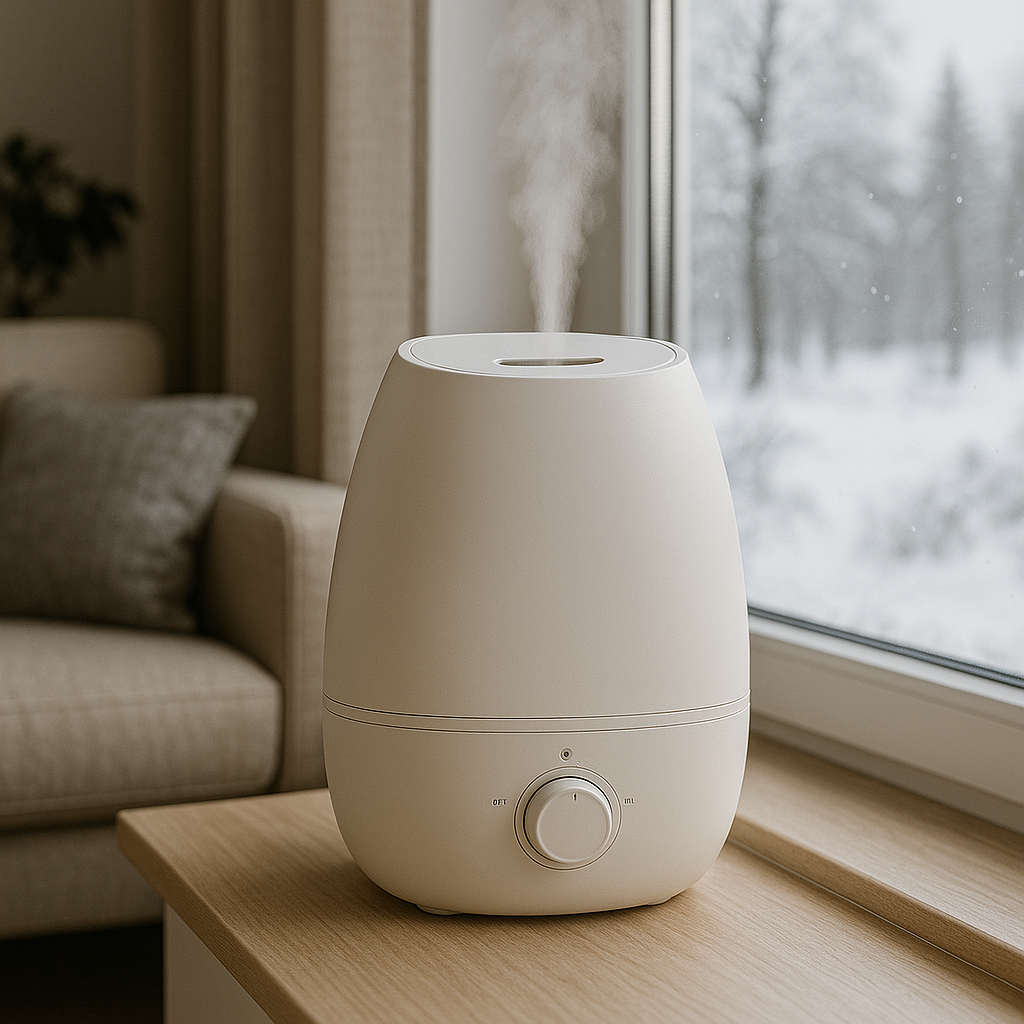
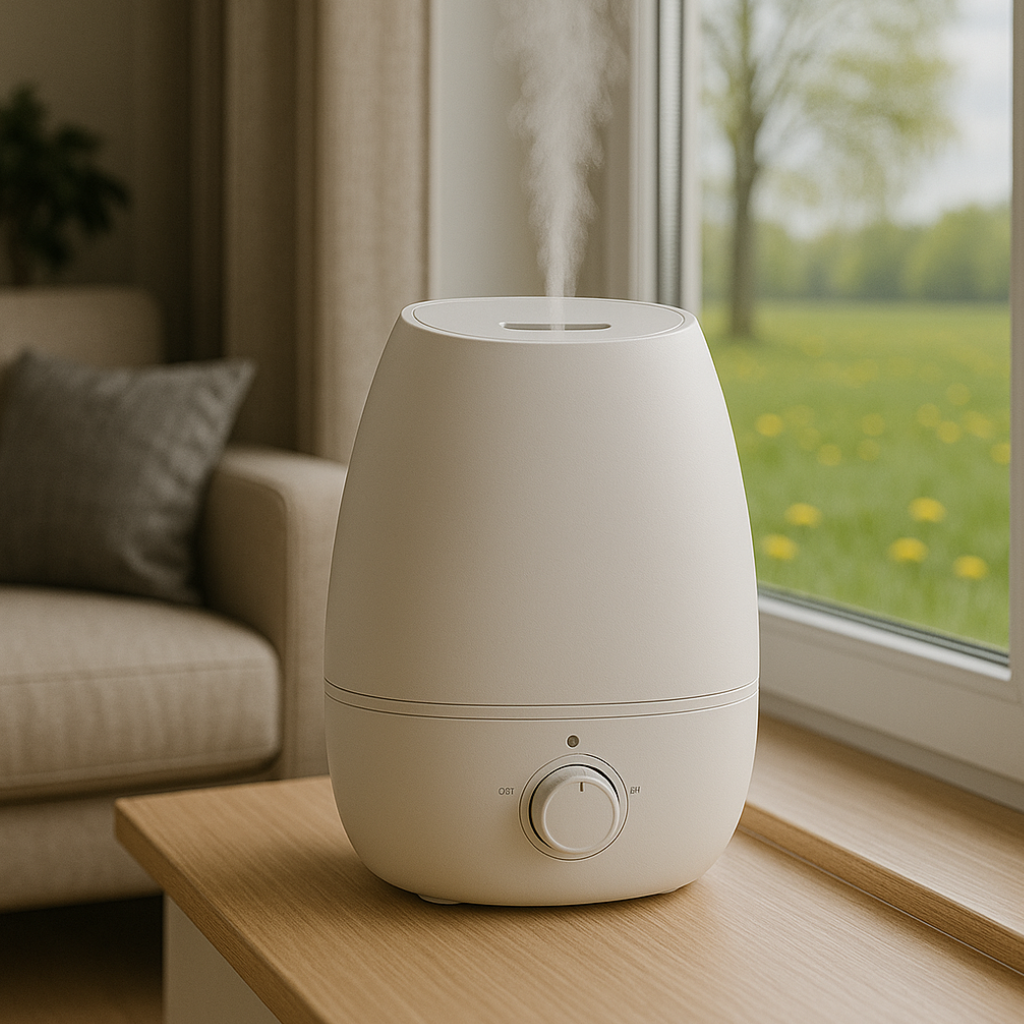
While a humidifier can be useful year-round depending on your environment, there are specific times when it makes the biggest impact:
- Winter and early spring – Indoor heating systems can make your home feel like a desert, zapping the air of any natural moisture. A humidifier restores balance during these seasons.
- Dry regions or desert climates – If you live in an area where dry air is the norm, a humidifier ensures your body and home don’t suffer from constant low humidity.
- When humidity drops below 30% – Ideally, indoor humidity should be between 30%–50%. If it falls below that range, a humidifier helps bring it back to a healthy level.
What Is a Dehumidifier?
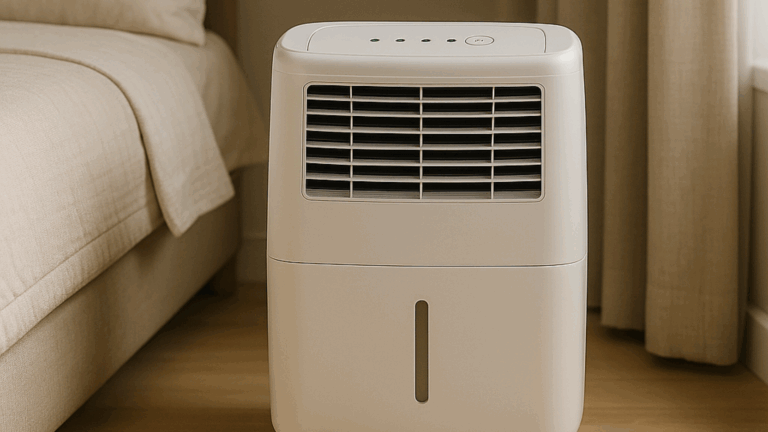
A dehumidifier does the opposite it removes excess moisture from the air, helping maintain a healthy balance. Too much humidity can make your home feel sticky and uncomfortable, while also inviting mold, dust mites and mildew.
Benefits of a Dehumidifier
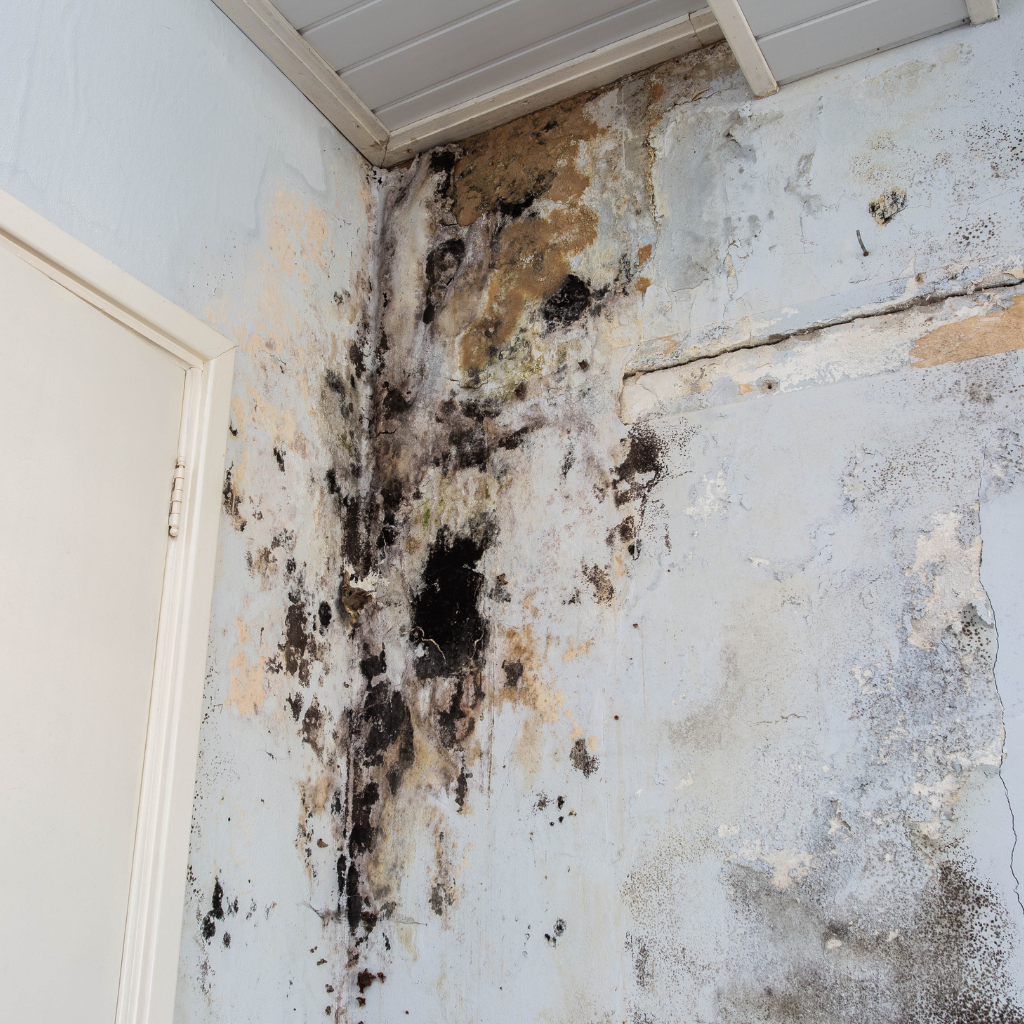

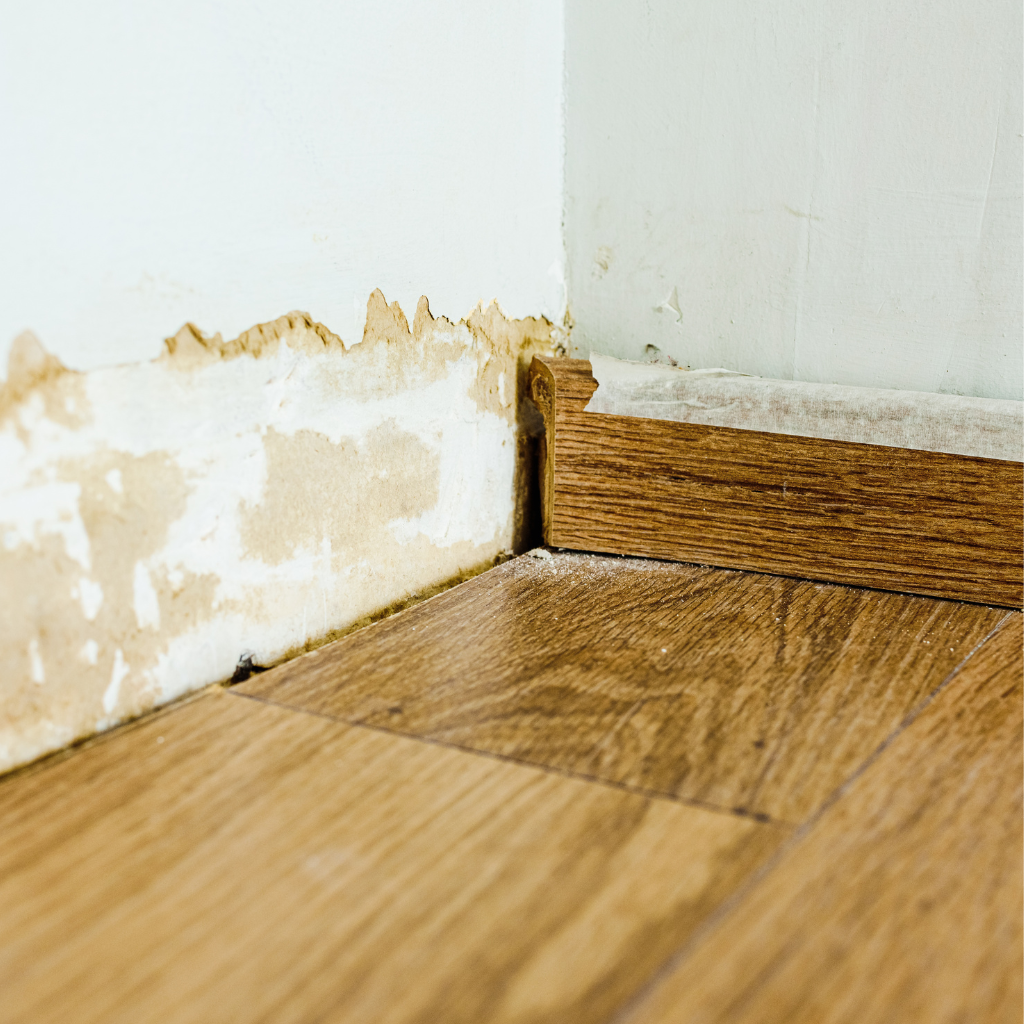
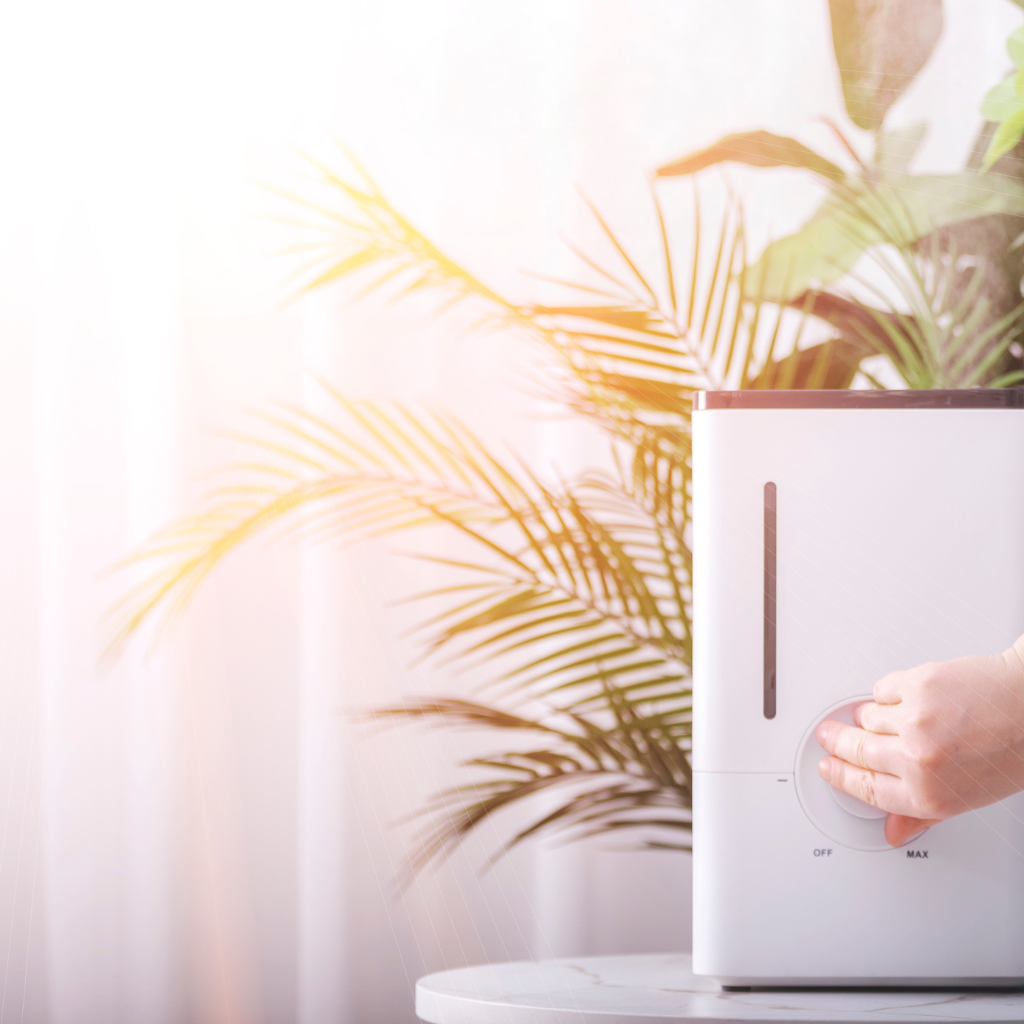
- Prevents mold and mildew growth – protects your home and health.
- Reduces allergy triggers – helps minimize dust mites and musty odors.
- Keeps your home cooler – makes hot summer air feel more comfortable.
- Protects furniture and fabrics – prevents dampness and damage to walls, wood, and upholstery.
- Improves indoor air quality – reduces excess moisture that contributes to respiratory issues.
Best Time to Use a Dehumidifier
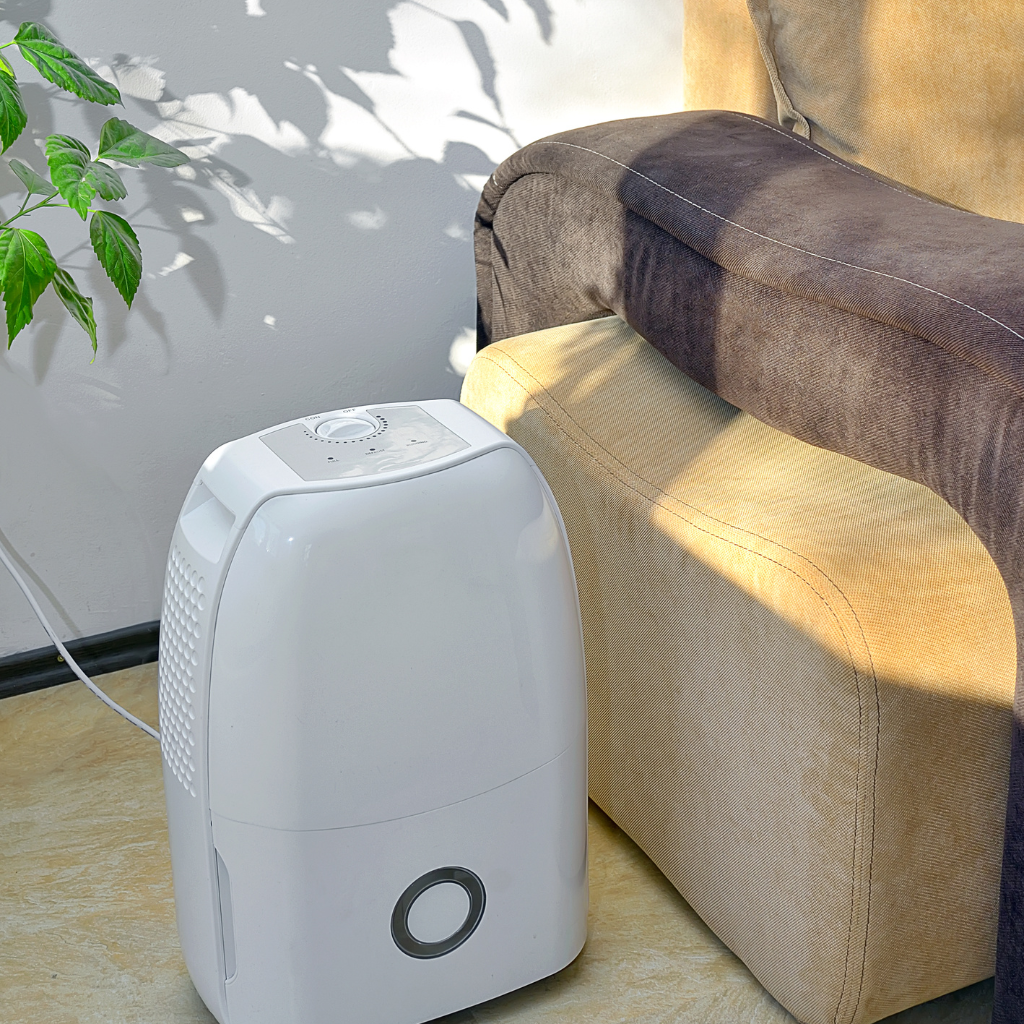
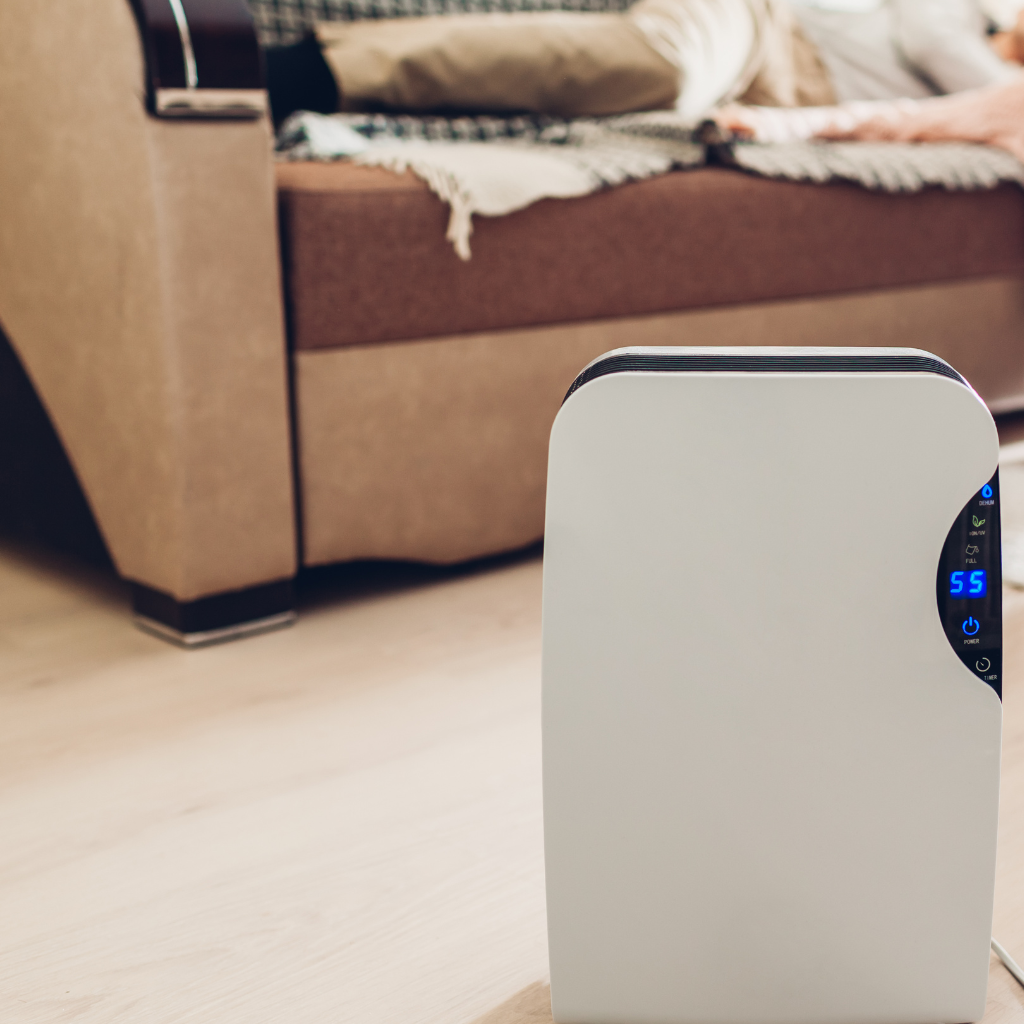
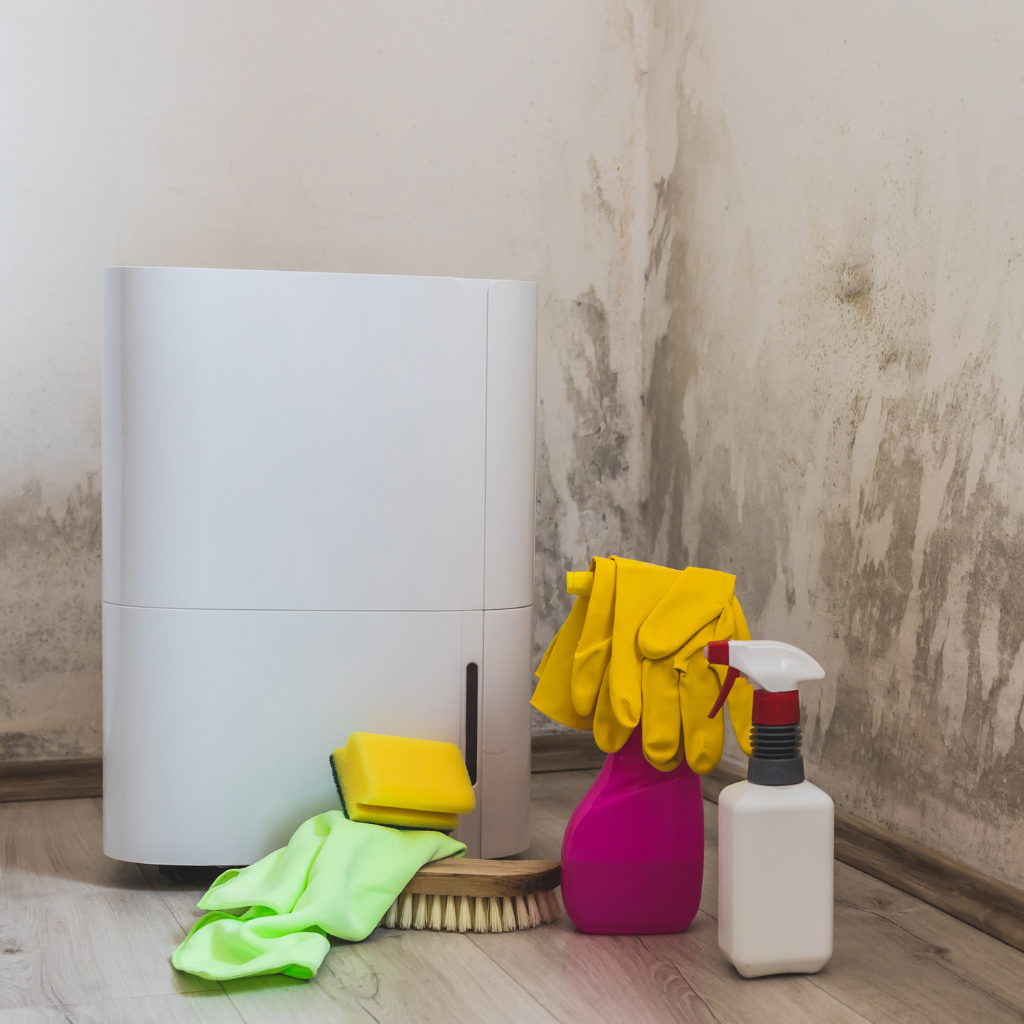
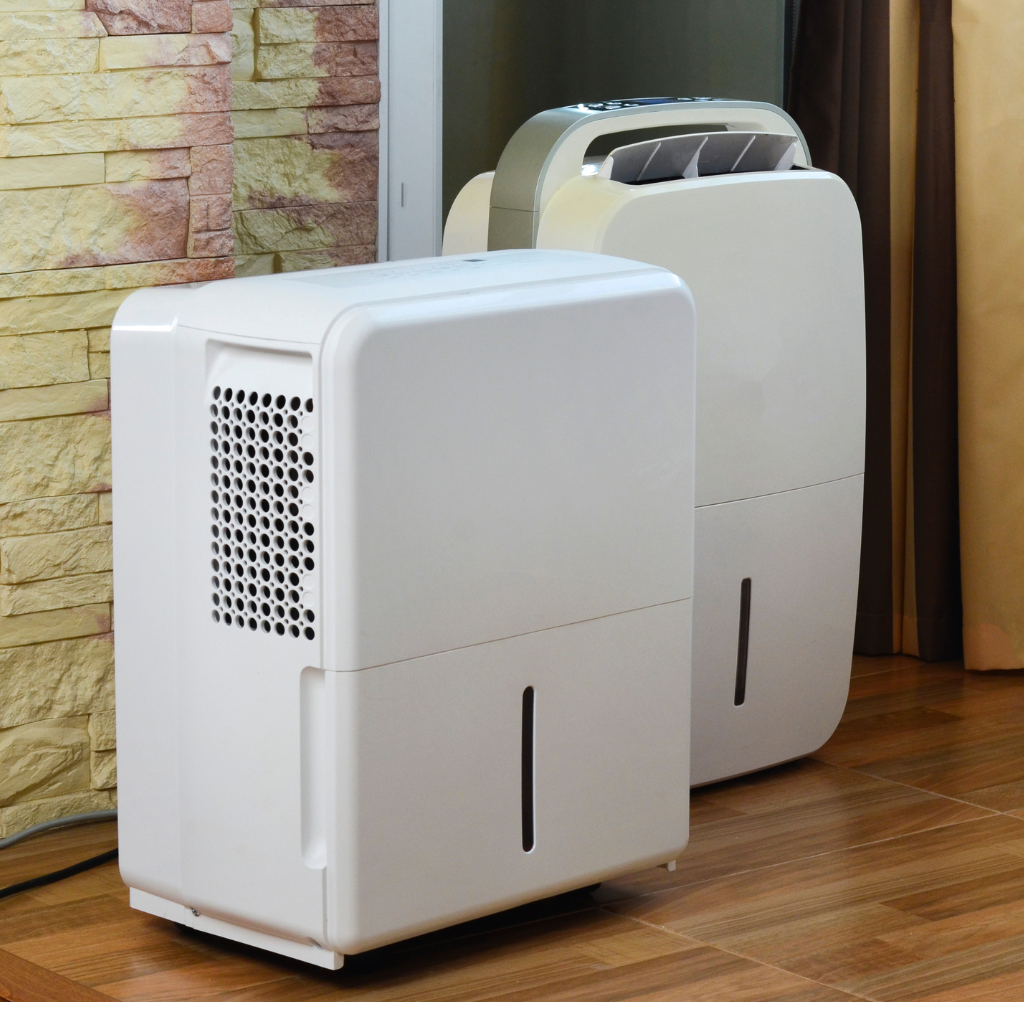
- Summer and rainy seasons when air feels damp and heavy.
- In basements, bathrooms, or laundry rooms where moisture tends to build up.
- When indoor humidity levels rise above 50–60%.
Key Differences Between Humidifiers and Dehumidifiers
Feature
Function
Best For
Target Humidity
Health Benefits
Home Benefits
Humidifier
Adds moisture to dry air
Winter, dry climates
Keeps air at 30–50% humidity
Relieves dryness (skin, throat, sinuses)
Protects wood and plants
Dehumidifier
Removes excess moisture from humid air.
Summer, humid climates
Keeps air at 40–50% humidity
Prevents mold, allergies, dampness
Protects walls, fabrics, and prevents mold
Which One Should You Use?
Choosing between a humidifier and dehumidifier isn’t a one-size-fits-all decision. Your needs often change depending on the season, climate, and even the unique environment of your home. By understanding how each season affects indoor air, you can adjust accordingly and keep your home balanced year-round.
Winter: Combatting Dry Air
During the colder months, heating systems work overtime to keep us warm. The downside? They strip the air of natural moisture, leaving indoor spaces uncomfortably dry. You might notice your skin becoming flaky, your lips chapping easily, or even an increase in static electricity.
This is where a humidifier becomes essential. By reintroducing moisture into the air, it helps keep your skin hydrated, eases dry throats and coughs, and prevents wooden furniture and floors from cracking. Families often find winter nights much more restful with a humidifier running in the bedroom, as it reduces snoring and nighttime dryness.
Tip: Aim to keep indoor humidity around 40–50% in winter for the perfect balance of comfort and health.
Spring: Managing Allergies and Shifting Air
Spring is the season of renewal, but for many, it also brings the misery of allergies. Pollen counts rise, and indoor air can fluctuate between dry and damp depending on your region’s climate.
Here, both devices can play a role. A humidifier can keep your sinuses comfortable when pollen or dust dries them out, while a dehumidifier is helpful if your area experiences rainy, humid spring weather that encourages mold or mildew growth.
Tip: Keep a small hygrometer at home to measure humidity. This way, you’ll know whether your spring air needs more moisture or less.
Summer: Beating the Heat and Humidity
Summer often brings long, hot days paired with sticky, humid air, especially in regions with high rainfall or coastal climates. When indoor air feels heavy and damp, it doesn’t just make you uncomfortable; it also creates the perfect breeding ground for mold, mildew, and dust mites.
A dehumidifier is your best friend in summer. By reducing excess moisture, it makes your home feel cooler and fresher, even without lowering the temperature. It also helps protect fabrics, walls, and furniture from dampness, while reducing that musty smell that sometimes creeps into basements or bathrooms.
Tip: Running a dehumidifier alongside your air conditioner can actually make your AC more efficient, helping you save on energy bills.
Fall: Transitioning Weather and Balancing Act
Fall is a season of transition. Some days are crisp and dry, while others feel damp and chilly. This unpredictability can make it challenging to keep indoor humidity stable.
The best approach in autumn is to monitor your indoor environment closely. If you start noticing dry skin, scratchy throats, or plants struggling, a humidifier can help. On the other hand, if condensation appears on windows or you detect a musty odor, it’s time for a dehumidifier.
Tip: Since fall often shifts quickly into winter, many families start with a dehumidifier in early autumn, then switch to a humidifier once heating systems are turned on.
How to Know If You Need a Humidifier or Dehumidifier
Sometimes, it’s not about the season, it’s about your specific home environment. Here are signs for each:
Signs You Need a Humidifier
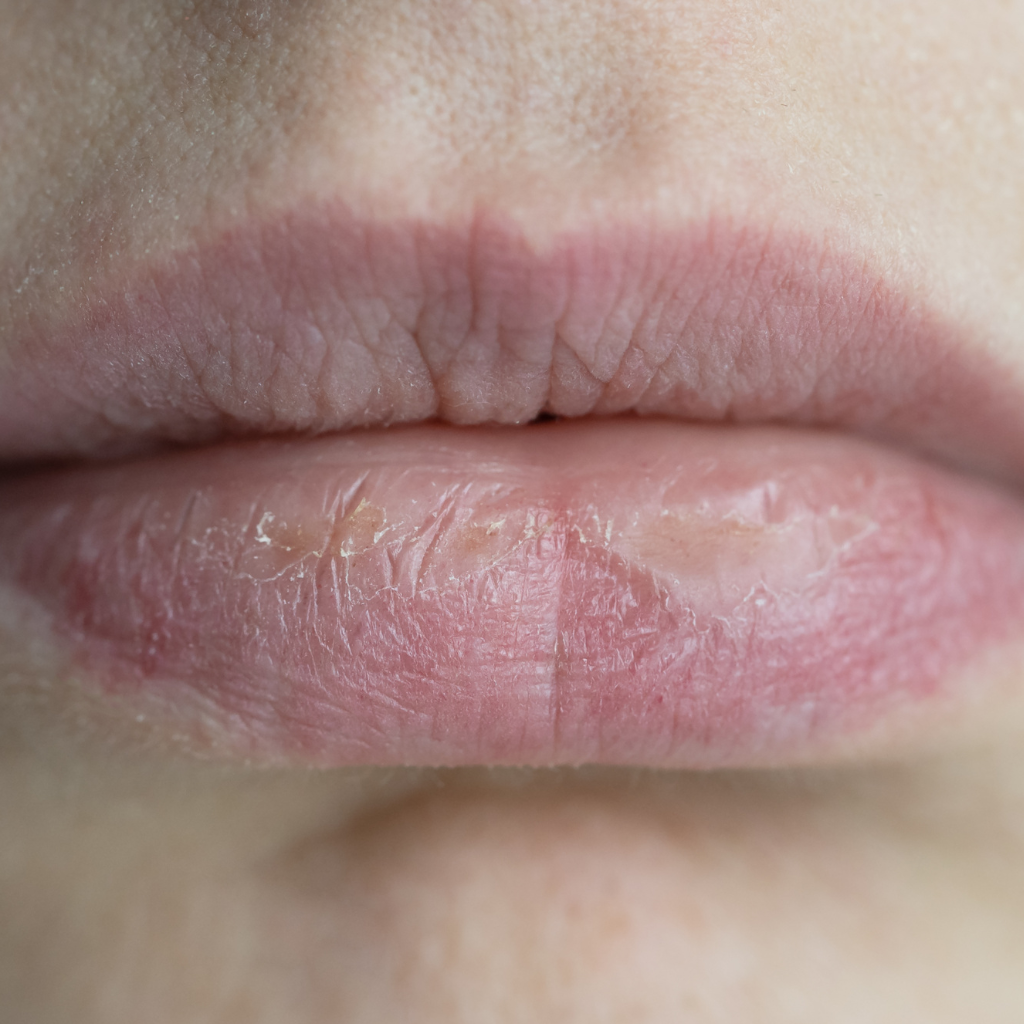

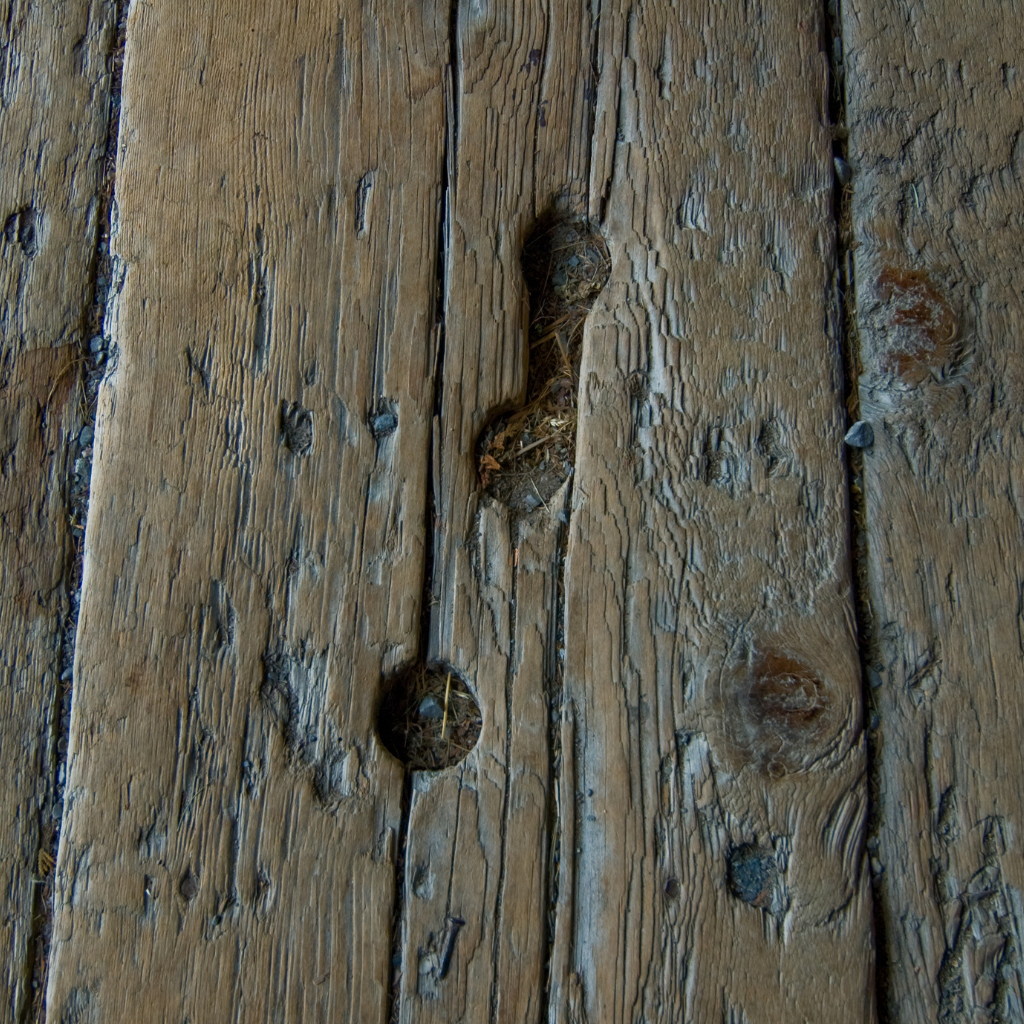
- Cracked lips, dry skin, or frequent nosebleeds.
- Waking up with a dry throat or cough.
- Wood floors or furniture showing cracks.
- Indoor humidity consistently below 30%.
Signs You Need a Dehumidifier
- Musty odors in certain rooms.
- Mold spots on walls, ceilings, or windows.
- Condensation on windows.
- Indoor humidity consistently above 50–60%.
Using Humidifiers and Dehumidifiers Together
Yes, you can use both, just not at the same time in the same space. For example:
- Use a humidifier in your bedroom during the winter.
- Use a dehumidifier in your basement during the summer.
Additional Tips for Maintaining Healthy Indoor Air
- Invest in a hygrometer – measures indoor humidity so you can adjust as needed.
- Clean your devices regularly – prevents mold, bacteria, and mineral buildup.
- Replace filters – ensures your devices work efficiently.
- Ventilate properly – open windows when possible or use exhaust fans in kitchens and bathrooms.
- Add plants wisely – some plants increase humidity, while others absorb moisture.
Comfort in Every Season
Humidifiers and dehumidifiers serve different purposes, but both are essential tools for maintaining a healthy, comfortable, and balanced home. The right choice depends on the season, your local climate, and the unique needs of your family.
By learning how to use them wisely, you can:
- Keep allergies and respiratory issues under control.
- Protect your home and furniture from damage.
- Create a calming environment that supports wellness all year round.
When in doubt, monitor your indoor humidity and adjust with the right device. With the proper balance, your home becomes more than just a space, it becomes a sanctuary of comfort and well-being.
Frequently Asked Questions (FAQ)
1. What’s the main difference between a humidifier and a dehumidifier?
The main difference in the humidifier vs dehumidifier debate is simple: a humidifier adds moisture to the air, while a dehumidifier removes excess moisture. Humidifiers are best for dry conditions, especially in winter, while dehumidifiers are ideal for hot, damp, or humid seasons.
2. Can I use a humidifier and dehumidifier at the same time?
Yes, you can use both, but not in the same room at the same time. For example, you might run a humidifier in your bedroom during dry winter months, while a dehumidifier works in your basement during humid summer days. Knowing when to use a humidifier vs dehumidifier depends on your indoor humidity levels.
3. How do I know if my home needs a humidifier or a dehumidifier?
If you’re unsure about humidifier vs dehumidifier use, watch for the signs:
- You may need a humidifier if you have chapped lips, itchy skin, nosebleeds, or wooden furniture cracking from dry air.
- You may need a dehumidifier if you notice musty odors, condensation on windows, or mold spots.
A hygrometer is the best tool to decide between a humidifier and dehumidifier, aiming for 40–50% humidity indoors.
4. Are humidifiers and dehumidifiers safe to use around kids and pets?
Yes, both devices are safe when used correctly. A humidifier should be cleaned regularly to prevent bacteria growth, while a dehumidifier should be placed securely and emptied often. Many families find that choosing the right option in the humidifier vs dehumidifier discussion actually improves sleep quality and reduces allergy symptoms for children and pets.
5. Do I need both a humidifier and dehumidifier for my home?
Not every home needs both, but many benefit from having each device. A humidifier is helpful during dry winters, while a dehumidifier is essential in humid summers. If your region experiences both extremes, owning both ensures year-round balance. This is why the humidifier vs dehumidifier choice really depends on your climate and indoor environment.







I can really relate. When the air is too dry, I always wake up with a scratchy throat, but if it’s too humid, my allergies go crazy. Learning the difference between humidifiers and dehumidifiers helped me balance things out at home.
Yes! So helpful for our health! We are glad this informed you so much. Heakth is wealth.