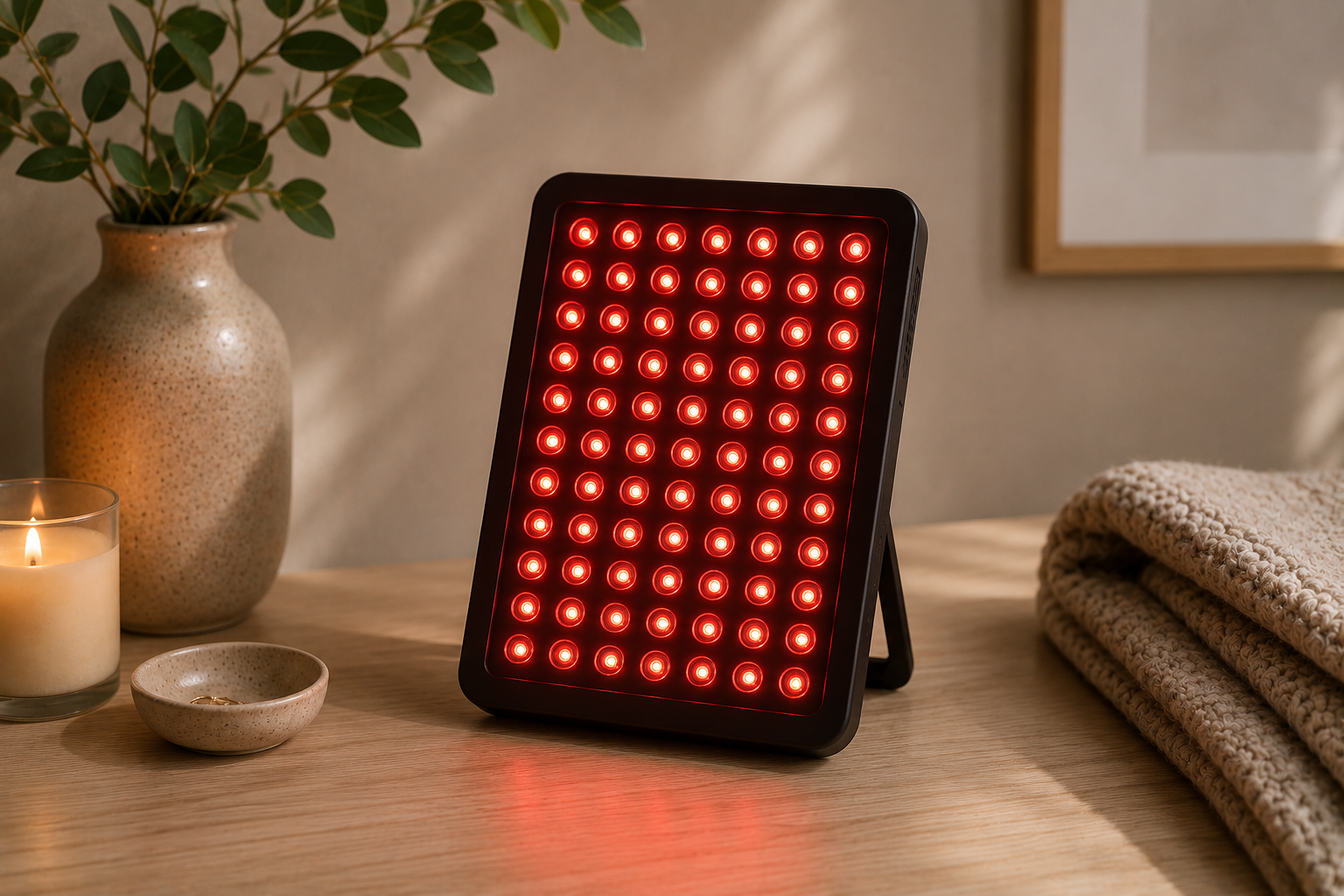
Best Personal Red Light Therapy Devices for Home (2026)

Disclosure: As an Amazon Associate, I earn from qualifying purchases. This post contains affiliate links, which means we may receive a small commission at no extra cost to you, if you make a purchase through a link. This helps support our independent research and the maintenance of Lune & Ivory.

There’s a quiet shift happening in how people approach wellness at home.

Not more complexity. Not more routines.

But simpler, more consistent ways to support the body, without leaving the space you’ve already created.

Red light therapy devices have gradually moved from clinics into everyday homes. Not as high-tech luxuries, but as small, repeatable tools that fit into daily life, whether that’s a few minutes in the morning or a slow reset at night.

To find the best personal red light therapy devices for 2026, we analyzed top-rated products across verified reviews, product specifications, and real-world usage feedback. The focus: devices that are effective, easy to use, and practical for small, calm living spaces.

How We Chose

We evaluated each device based on:

  • Consistent 4★+ ratings across verified reviews
  • Wavelength effectiveness (660nm red + 850nm near-infrared)
  • Ease of use and setup at home
  • Portability and storage for small spaces
  • Build quality and durability feedback
  • Practicality for daily routines (not just occasional use)

We prioritized products that repeatedly performed well across real users, not just marketing claims.

Quick Picks

  • Best Overall (Balanced Performance): Hooga Red Light Therapy Panel (HG300)

1. Hooga Red Light Therapy Panel (HG300)

Why It Stands Out

This panel is consistently positioned as a reliable, mid-to-premium option with strong build quality and stable performance. Its structured design makes it suitable for regular, at-home use without feeling fragile or temporary.

Best For

  • Daily wellness routines
  • Full-body or larger area coverage
  • Users who want a stable, long-term setup

Key Highlights

  • 660nm red + 850nm infrared wavelengths
  • 60 LED configuration
  • Built-in timer and stand
  • Sturdy construction with carry handle

What Real Users Say (Aggregated)

Users often highlight its durability and consistent output, noting that it feels more “solid” compared to lighter, entry-level devices.

Things to Consider

  • Higher price than compact or wearable options
  • Less portable than smaller devices

2. Lifepro Red Light Therapy Belt

Why It Stands Out

A wearable format makes this device more flexible for targeted therapy, especially for areas like the back or shoulders.

Best For

  • Targeted pain relief (back, shoulders)
  • Hands-free use
  • Users who want flexibility during sessions

Key Highlights

  • Wearable belt design
  • 660nm + 850nm dual wavelengths
  • Adjustable fit for different body areas
  • Portable and easy to store

What Real Users Say (Aggregated)

Many users appreciate the convenience, especially the ability to move around or relax without holding a device in place.

Things to Consider

  • Limited coverage area compared to panels
  • Not ideal for full-body sessions

3. Red Light Therapy Pad (Budget Option)

Why It Stands Out

This is one of the most accessible entry points, offering core functionality at a significantly lower price.

Best For

  • First-time users
  • Budget-conscious buyers
  • Occasional or light use

Key Highlights

  • Under $50 price point
  • Portable wrap-style design
  • 660nm + 850nm wavelengths
  • Simple setup

What Real Users Say (Aggregated)

Users often mention it as a good starting point, though some note fewer reviews and less long-term reliability data.

Things to Consider

  • Fewer reviews compared to established brands
  • May not feel as durable

4. LifePro Full Body Red Light Therapy Panel

Why it stands out

Offers a larger panel setup at a more accessible price compared to premium brands, making it a strong value option.

Best For

  • Full-body sessions
  • Users wanting more coverage without premium pricing
  • Home setups with a dedicated space

Key Highlights

  • 90 or 120 LED configurations
  • Dual wavelengths (660nm + 850nm)
  • Includes hanging kit and eyewear
  • Two size options available

What Real Users Say (Aggregated)

Many users highlight the balance between price and performance, noting that it delivers similar benefits to higher-priced models.

Things to Consider

  • Requires more space
  • Setup may be less minimal than compact devices

What Real Users Say (Across Devices)

Across product categories, several consistent patterns appear:

  • Ease of use determines whether the device becomes part of a routine
  • Smaller devices are used more frequently, but for targeted areas
  • Larger panels are preferred for deeper, full-body sessions
  • Portability and storage matter more than expected, especially in smaller homes

Most importantly, users consistently value devices that feel easy to return to daily, not complicated to set up.

How to Choose

Choose a panel if:

  • You want full-body coverage
  • You prefer a more structured setup
  • You’ll use it regularly

Choose a wearable device if:

  • You need targeted relief
  • You want hands-free use
  • You prefer flexibility

Choose a compact device if:

  • You live in a small space
  • You want something lightweight and easy to store
  • You prefer quick, simple sessions

Choose a budget option if:

  • You’re just starting out
  • You want to test the routine before investing more

Who This Is For

This guide is for those who:

  • Prefer simple, repeatable wellness habits
  • Live in smaller or shared spaces
  • Want tools that integrate quietly into daily life
  • Value function without clutter or complexity

It’s less about adding another device and more about choosing one that fits naturally into your routine.

If you want the most balanced option, the Hooga HG300 offers strong performance and durability.

For flexibility, the Lifepro Belt stands out as the easiest to integrate into daily movement.

If you’re just starting, the budget pad is a low-risk entry point.

And for those ready to commit to a full setup, the LifePro full panel offers strong value without premium pricing.

Ultimately, the best device is the one you’ll actually use, consistently and without friction.

Frequently Asked Questions

1. Do red light therapy devices really work?

Many users report benefits like muscle relaxation and improved recovery, though results vary depending on consistency and usage.

2. How often should you use red light therapy at home?

Most routines range from 3–5 times per week, depending on the device and personal comfort.

3. Are these devices safe to use daily?

Most are safe when used as directed, but it’s important to follow manufacturer guidelines for duration and distance.

Elle
We will be happy to hear your thoughts

Leave a reply

Lune and Ivory
Logo