Disclosure: As an Amazon Associate, I earn from qualifying purchases. This post contains affiliate links, which means we may receive a small commission, at no extra cost to you, if you make a purchase through a link. This helps support our independent research and the maintenance of Lune & Ivory.
Somewhere between turning off the overhead light and actually falling asleep, there’s a gap, the part of the evening where your mind is still running through the day’s leftover thoughts. A lot of people fill that gap with a phone screen, which makes it worse. Others fill it with scent, which, done thoughtfully, can make it better.
Essential oils aren’t a medical sleep aid, and we won’t frame them that way here. What they are is one of the simplest additions to a bedtime ritual, a scent cue that signals to your body that the day is winding down, paired with the soft, ambient calm that already defines a warm-minimalist bedroom.
This is our list of the best essential oils for sleep in 2026, fifteen calming scents, chosen for popularity, versatility, and how well each one fits into an actual bedtime routine, not just a diffuser catalog.
Key Takeaways
- Lavender remains the most widely used bedtime scent, a reasonable starting point if you’re new to essential oils
- Essential oils work through scent and ritual; treat them as one part of a wind-down routine, not a guaranteed fix for poor sleep
- A diffuser running 30–60 minutes before bed is the most common approach — most people turn it off before actually falling asleep
- Woody, earthy scents (cedarwood, sandalwood, vetiver) suit warm-minimalist bedrooms; florals and citrus suit lighter, airier palettes
- Always dilute before skin contact, and keep undiluted oils away from children and pets
- If you’re pregnant, nursing, or managing a health condition, check with your doctor before regular use
The 15 Best Essential Oils for Sleep
1. Lavender
The default choice, and for good reason. Soft, floral, instantly recognizable as a “bedtime” scent, and gentle enough for most people. If you only try one oil on this list, start here.
[LASSO BOX: Pure Lavender Essential Oil, 100% therapeutic grade]
2. Roman Chamomile
A soft, slightly sweet, herbal note, the same comforting quality as chamomile tea, just more concentrated. A good alternative if lavender feels too floral or heavy for your taste.
3. Cedarwood
Woody, grounding, and quiet. This is the scent for an oak-and-linen bedroom, the olfactory equivalent of the natural layer in our Texture Rule guide.
[LASSO BOX: Cedarwood Essential Oil, Himalayan or Atlas variety]
4. Bergamot
A soft, slightly citrusy note that reads calming rather than energizing, a nice middle ground if you don’t love heavy florals but citrus feels too bright.
5. Ylang Ylang
Rich and slightly exotic. Best used sparingly and blended with something lighter, since it can be a strong, dominant note on its own.
6. Frankincense
Earthy, resinous, almost smoky. A favorite for anyone who wants their bedtime scent to feel grounding rather than sweet.
[LASSO BOX: Frankincense Essential Oil, Somalia or Oman sourced]
7. Sandalwood
Creamy, warm, and woody. Pairs beautifully layered with lavender or cedarwood for a fuller evening scent, and works well on its own for a simpler routine.
8. Vetiver
Deep, earthy, almost mossy. One of the “heaviest” scents on this list, its molecules linger longer in the air than florals or citrus, which some people find especially grounding right before sleep.
9. Clary Sage
Herbaceous and slightly musky. Often blended into commercial sleep formulas alongside lavender and chamomile for a fuller, rounder scent profile.
10. Marjoram
Warm and herbaceous, with a gentle spiciness underneath. Less common on its own, but a nice addition to a blend if you want something a little more complex than lavender alone.
11. Neroli
Light, citrus-floral, and delicate. A softer alternative to ylang ylang if you want floral notes without the intensity.
12. Jasmine
Potent and deeply floral. A little goes a long way, this is one to dilute generously or blend into a larger mix rather than diffuse on its own.
13. Geranium
Rosy and slightly green. Works nicely blended with citrus or woody notes for a more layered evening scent.
14. Sweet Orange
Soft and mellow rather than sharp, sweet orange behaves differently from most citrus oils and can work well in small amounts in an evening blend, though it’s better paired with grounding notes than diffused alone.
15. Chamomile-Lavender Blend
Not a single oil, but worth including: a pre-blended combination of these two is one of the most common “starter” sleep blends on the market, and a good low-effort option if choosing between fifteen individual oils feels like too much.
[LASSO BOX: Pre-Blended Sleep Synergy Oil — lavender, chamomile, cedarwood]
How to Actually Use These Oils
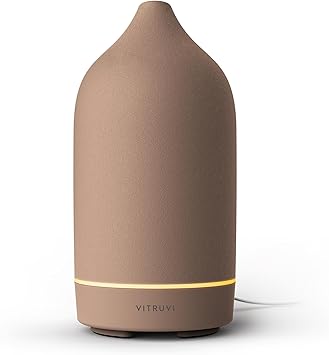
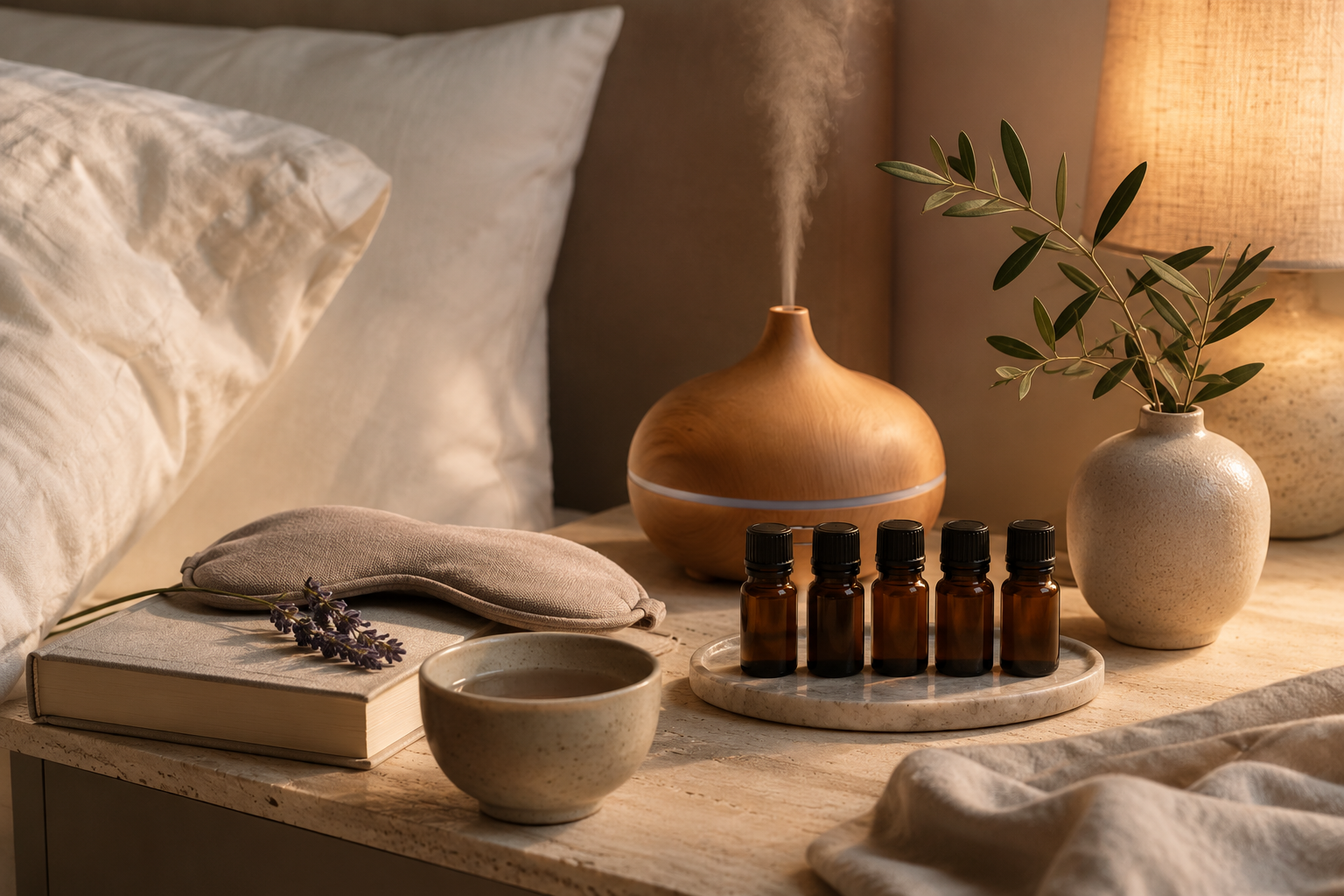
Diffuser. The simplest and most common method. A few drops in a water-based ultrasonic diffuser, run for 30 to 60 minutes before bed, is the standard most people follow. Many turn the diffuser off before actually falling asleep rather than running it all night.
[LASSO BOX: Ceramic Ultrasonic Essential Oil Diffuser — quiet, bedroom-sized]
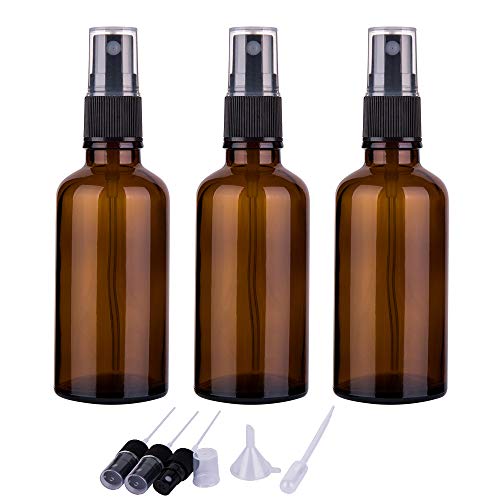
Pillow spray. A simple oil-and-water mix in a small spray bottle, spritzed lightly on the pillow a few minutes before bed. A lower-commitment option if you’d rather not run a diffuser at all.
[LASSO BOX: Amber Glass Spray Bottle, 2oz — for DIY pillow mists]
Topical use. Always diluted in a carrier oil first, never applied directly to skin. If you’re new to this, a pre-diluted roll-on is the easiest and safest starting point.
[LASSO BOX: Pre-Diluted Sleep Blend Roll-On]
A note on quantity: less is more with essential oils. Every diffuser and product will have its own manufacturer guidance for how much to use, start light. You can always add more scent to a room; you can’t easily take it away.
Complete the Ritual: Accessories Worth Adding
The oils do the scent work, but a few supporting pieces make the whole routine easier to stick with and look better doing it.
1. Diffusers
Ultrasonic ceramic diffuser — the quietest option and the best fit for a warm-minimalist bedroom, since the ceramic body doubles as a decor piece rather than looking like a gadget. Best for anyone who wants the diffuser visible on a nightstand or dresser.
[LASSO BOX: Ceramic Ultrasonic Essential Oil Diffuser, matte finish]
Waterless smart diffuser — for anyone with limited surface space. Plugs directly into an outlet and skips the cleaning that water-based diffusers require. Covered in more depth in our Vitruvi vs Pura comparison.
[LASSO BOX: Waterless Plug-In Fragrance Diffuser]
Wood-grain diffuser — a warmer, more tactile alternative to plastic or plain ceramic, ideal for oak and linen palettes.
[LASSO BOX: Wood-Grain Ultrasonic Diffuser, natural finish]
Carrier Oils (for topical dilution)
If you’re moving beyond diffusing into pillow sprays or skin application, a neutral carrier oil is a required companion, not an optional add-on.
[LASSO BOX: Fractionated Coconut Carrier Oil, unscented]
[LASSO BOX: Sweet Almond Carrier Oil]
Storage and Organization- A small collection of oils gets messy fast without somewhere to keep it. A shallow wooden or bamboo tray keeps bottles corralled on a nightstand or shelf, the same “visual framing” trick we cover in our 3-Object Rule guide, where loose items become one visual anchor once they’re grouped on a tray.
[LASSO BOX: Wooden Essential Oil Storage Box, holds 20+ bottles]
[LASSO BOX: Small Bamboo Tray, for nightstand grouping]
2. Application Tools
Roller bottles — for anyone who wants to pre-dilute their own blends rather than buying pre-made roll-ons. Glass, not plastic, since essential oils can degrade certain plastics over time.
[LASSO BOX: Glass Roller Bottles, 10ml, 6-pack]
Amber glass spray bottle — for DIY pillow mists. Amber or cobalt glass protects the oil blend from light degradation better than clear glass.
[LASSO BOX: Amber Glass Spray Bottle, 2oz]
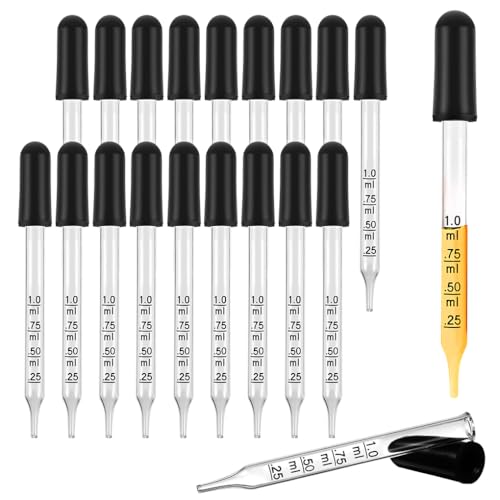
Small glass dropper set — useful once you’re blending your own combinations rather than using a single oil straight from the bottle.
[LASSO BOX: Glass Dropper Pipettes, 1ml, set of 10]
Matching Scent to Your Bedroom Palette
Your bedtime scent doesn’t just need to smell good, it should feel like it belongs in the room.
- Cream, sage, and marble palettes pair beautifully with lighter, softer scents: lavender, chamomile, bergamot, neroli.
- Oak, terracotta, and clay palettes pair naturally with the warmer, earthier notes: cedarwood, sandalwood, frankincense, vetiver.
- North-facing bedrooms, covered in our Light Map Method guide, tend to benefit from warmer, grounding scents the same way they benefit from warmer light — both add coziness a cool, flat room can otherwise lack.
If you’re deciding what to diffuse from, our Vitruvi vs Pura diffuser comparison breaks down the tradeoffs between a decor-forward ultrasonic diffuser and a low-footprint waterless option.
Building the Full Bedtime Ritual
A single spritz of lavender on your pillow won’t undo a stressful day on its own and it’s not meant to. The scent works best as one signal among several that tell your body the day is ending.
Pair your essential oil ritual with dimmer, warmer light in the hour before bed (a Himalayan salt lamp works beautifully here), a consistent wind-down time, and screens off at least 20 to 30 minutes before you actually try to sleep. The ritual, the repeated sequence of small actions, often does more work than any single element within it.
Safety Notes
Essential oils are concentrated plant extracts, and a few basic precautions apply regardless of which oil you choose.
Never apply essential oils directly to skin without diluting them in a carrier oil first (jojoba, sweet almond, and fractionated coconut oil are common choices). Keep bottles out of reach of children and pets, many essential oils, including tea tree and citrus varieties, are unsafe for pets, particularly cats. If you’re pregnant, nursing, or managing any health condition, talk to your doctor before starting regular use. And if you notice any skin irritation, headache, or respiratory discomfort from a scent, discontinue it, not every oil suits every person.
Frequently Asked Questions
1. What is the best essential oil for sleep?
Lavender is the most widely used and most recognized scent for bedtime, and a reasonable starting point if you’re new to essential oils. That said, “best” depends on personal preference, some people find floral scents too heavy and prefer woody notes like cedarwood or earthy ones like frankincense.
2. How many essential oils should I use at once?
Most people find one to three oils, either as a single scent or a simple blend, more effective than a large rotating collection. Starting with lavender alone, then adding a second complementary note like cedarwood or chamomile, is a manageable approach.
3. Can I leave a diffuser running all night?
Most guidance suggests running a diffuser for a set period before bed rather than continuously overnight. The scent ritual doesn’t require all-night exposure, and some people find prolonged exposure irritating to airways.
4. Are essential oils safe for pets?
Not always. Many essential oils, including tea tree, eucalyptus, and citrus oils, can be harmful to cats in particular. If you have pets, research pet-safe oils specifically and consider keeping diffusers in a room your pet can’t access.
5. Can essential oils replace medication for sleep problems?
No. Essential oils are a scent-based addition to a bedtime routine, not a treatment for insomnia or other sleep disorders. If you’re experiencing ongoing sleep difficulty, talk to a doctor.
6. What scents should I avoid before bed?
Stimulating, energizing scents, peppermint, eucalyptus, citrus in larger amounts, and rosemary, are generally better suited to mornings than bedtime, since they tend to feel alerting rather than calming.
The right bedtime scent isn’t really about the oil itself, it’s about the few minutes of quiet ritual that come with using it. Light the diffuser, dim the lamp, put the phone down. The room does the rest.