The Texture Rule: How to Layer 5 Textures in a Small Space

Disclosure: As an Amazon Associate, I earn from qualifying purchases. This post contains affiliate links, which means we may receive a small commission at no extra cost to you if you make a purchase. This helps support our independent research and the maintenance of Lune & Ivory.

We talk a lot about colour in interior design. Warm whites, earthy neutrals, sage greens. And while colour matters, it is actually texture that does the quiet, heavy lifting in a room. Texture is what makes a space feel alive or flat, cosy or cold, curated or cluttered.

You can have a perfectly coordinated colour palette and still walk into a room that feels oddly unfinished. Nine times out of ten, the missing element is texture or more specifically, the right layers of it working together.

If you are interested in the placement side of things, where exactly to position tactile pieces like ceramics and pottery for maximum impact, our guide to the best places to display textured ceramics is a great companion read to this post.

Key Takeaways

  • Texture does more than colour in small spaces, it adds depth, warmth, and a sense of being “finished” without taking up physical space.
  • The five layers in order: Base (smooth/flat) → Soft (woven/knitted) → Natural (wood/stone/clay) → Light (sheer/reflective) → Detail (organic/personal).
  • Sequence matters. Skipping or reordering the layers is what causes rooms to feel either too bare or too cluttered.
  • The light layer is the most commonly skipped and the one that makes the biggest difference to how a room feels across the day.
  • Start small: One chunky knit throw and one woven basket can shift the entire feel of a room for under $60.
  • All five layers work at any scale — a 50-square-foot studio and a large living room follow exactly the same method.
  • Less is more once all five layers are present — a room with all five in balance rarely needs anything else added.

In a small space, colour can only do so much. A pale, neutral palette opens a room up visually, but without texture, it risks feeling sterile, like a blank canvas that was never quite finished.

Texture adds dimension without taking up physical space. A chunky knit throw on a sofa, a woven basket in the corner, a ceramic vase on the shelf, none of these claim much room, but together they shift the entire sensory register of a space. The room stops feeling empty and starts feeling considered.

There is also a psychological element. Research consistently shows that tactile richness in our environment lowers stress and increases the sense of being at home. We are wired to respond to surfaces we can touch or imagine touching. Texture is how a room communicates warmth before anyone sits down.

The Five Layers: How to Build Texture in the Right Order

The key to The Texture Rule is sequence. Each layer has a role, and adding them in order prevents the common mistake of a room that feels either too bare or too busy.

Layer 1: The Base Layer- Smooth and Flat

Every room needs a canvas, and your base layer is it. Smooth, flat surfaces create the visual calm that makes everything else stand out. Think plaster walls in a matte finish, a flat-weave rug in a warm neutral, or a simple linen sofa without heavy pattern or pile.

The base layer is not boring, it is intentional restraint. It is what gives the rest of your textures room to breathe.

For flooring, a flat-weave rug is one of the most versatile base layer investments in a small space. It defines the room without competing with anything sitting on top of it. We explore how rugs and other grounding elements work in small rooms in our guide to calm fall decor, which covers many of the same layering principles for a cosier seasonal look.

Shop: Flat-Weave Neutral Rug,  a smooth, low-pile base that anchors a room without adding visual weight.

Layer 2: The Soft Layer- Woven and Knitted

Once your base is in place, the soft layer is where the room starts to feel genuinely inviting. This is your chunky knit throw draped over the arm of the sofa, your boucle cushion on the reading chair, your woven storage basket in the corner of the bedroom.

Softness signals safety and comfort on a deep, almost primal level. It is the layer that makes a room feel lived-in rather than staged, and it is usually the quickest, most affordable layer to add.

The rule here is to choose pieces in tones that sit within your base palette. A cream boucle cushion on a linen sofa disappears beautifully into the room while still adding enormous tactile depth. A bright or contrasting soft layer will pull the eye away from everything else.

Shop: Chunky Knit Throw Blanket, adds instant warmth and softness without overwhelming a small sofa or chair.

Shop: Boucle Cushion Cover, the easiest single upgrade for a sofa or reading chair, tactile, warm, and endlessly versatile.

Shop: Woven Seagrass Storage Basket, functional and beautiful, the soft layer that also earns its place.

Layer 3: The Natural Layer — Wood, Stone and Clay

The natural layer grounds the room in something real. Where the soft layer is about comfort, the natural layer is about calm, the kind that comes from materials that feel connected to the earth rather than manufactured.

A wooden tray on the coffee table, a stone bowl on the bathroom shelf, a ceramic vase on the windowsill. These pieces do not need to be expensive or artisan. They simply need to be natural in material and they will do the rest themselves.

Textured ceramics in particular are exceptional natural layer pieces because they engage both the eye and the imagination. If you want to go deeper on exactly how to choose and position them, our post on the best places to display textured ceramics for maximum calm covers every room in the house with specific placement advice.

Wood, rattan, and bamboo also work beautifully as natural layer materials, earthy, warm, and endlessly mixable with soft neutrals. We explored why these materials have such staying power in our piece on why we’re falling for rattan, bamboo and wood.

Shop: Minimalist Wooden Serving Tray — grounds a coffee table or nightstand with warmth and purpose.

Shop: Textured Ceramic Vase — the anchor piece of the natural layer, tactile, calming, and endlessly versatile.

Layer 4: The Light Layer- Sheer and Reflective

The light layer is the most underestimated of the five. It is the layer that catches and moves light through a room, creating a subtle sense of life and energy that static surfaces cannot replicate.

A sheer linen curtain that shifts gently when a window is cracked open. A glass object on a shelf that catches the afternoon sun. A small metallic accent, a brass candle holder, a copper bowl,  that reflects warm light back into the room.

In a small space, the light layer is especially important because moving light makes a room feel larger and more dynamic. Without it, even a beautifully layered room can feel static.

Shop: Sheer Linen Curtain Panels — the light layer in curtain form, warm-toned, soft, and completely transformative.

Layer 5: The Detail Layer- Paper, Dried and Organic

The detail layer is the finishing touch, the layer that makes a room feel curated rather than simply decorated. These are the pieces that reward a second look: a stack of books with beautiful spines, a small bunch of dried pampas grass in a ceramic vase, a woven wall piece above the bed, a single stem in a bud vase on the desk.

Detail layer pieces tend to be small, personal, and organic. They should feel like they belong specifically to this room and this person, not like they were selected from a showroom. That sense of specificity is what gives a room its character.

Scent can also function as an invisible detail layer. A soy candle burning quietly in the corner adds a dimension that no visual element can replicate, it completes the sensory experience of the room. The P.F. Candle Co. Amber and Moss candle is one we reach for repeatedly; we also feature it in our warm minimalist nightstand essentials guide for its perfect combination of size, scent, and amber glass aesthetic.

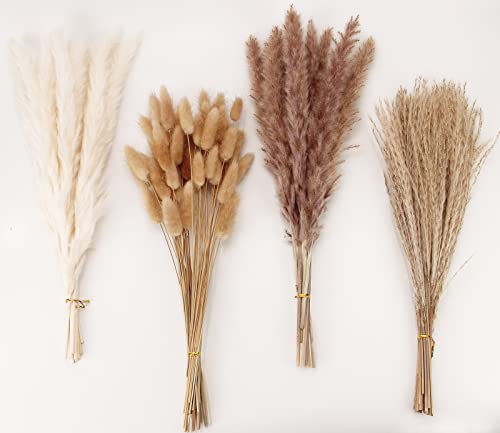
Shop: Dried Pampas Grass — the organic detail layer that makes a room feel finished and alive without needing water or maintenance.

Shop: P.F. Candle Co. Amber & Moss Soy Candle — warm, grounded, and beautifully presented in an amber glass jar that doubles as decor.

Putting the Five Layers Together: A Room-by-Room Summary

Living Room

  •       Base: flat-weave rug, plaster walls, simple linen sofa
  •       Soft: chunky knit throw, boucle cushion, woven basket
  •       Natural: wooden tray on coffee table, ceramic vase on shelf
  •       Light: sheer linen panels, glass candleholder, brass accent
  •       Detail: dried stems, stack of books, one personal object

Bedroom

The bedroom is where the soft layer usually does the most work, linen bedding, a wool throw, a boucle pillow. Layer the natural elements quietly on the nightstand (a ceramic tray, a wooden lamp base) and keep the detail layer minimal: one dried stem, one candle, one meaningful object. For specific nightstand pieces that hit multiple texture layers in one place, see our warm minimalist nightstand essentials guide.

Bathroom

Bathrooms benefit enormously from the natural and detail layers. A ceramic soap dish, a wooden bath tray, a small plant in a clay pot, a linen hand towel. Keep the base layer clean and smooth, and let the natural materials do the talking. Our guide to creating a spa morning at home covers how to build a bathroom environment that genuinely supports a calm daily routine.

The Three Most Common Texture Mistakes

  • Skipping the base layer. Adding soft and natural elements to a room that already has too much going on, patterned wallpaper, busy flooring, a heavily upholstered sofa, results in a room that feels chaotic rather than layered. Always establish your smooth, calm canvas first.

  • Overdoing one layer. A room filled entirely with chunky knits and woven baskets, with no natural or light elements, will feel cosy but flat. The contrast between layers is what creates interest and depth. You need the smooth base for the texture to read against.

  • Forgetting the light layer. This is the most commonly skipped step, and it is the one that makes the biggest difference to how a room feels across the day. Even one reflective or sheer element will change everything.

The Texture Rule is not about filling your home with more things. It is about choosing fewer, better things and choosing them in a deliberate sequence that builds a room from the ground up rather than adding pieces at random and hoping they work together.

Work through the five layers in order, keep your palette consistent within each one, and resist the urge to add more once all five are present. A room with all five layers in balance rarely needs anything else.

Lune & Ivory Tip: Start with just Layer 2, the soft layer, if your room feels flat right now. One chunky knit throw and one woven basket will shift the entire feel of a room for under $60, and they will show you immediately whether you have your base layer right.

Explore more small space styling and warm minimalism guides in our Space Category.

Kristina
We will be happy to hear your thoughts

Leave a reply

Lune and Ivory
Logo